What shares the ground
CREATURES
What each thing is, and what it does to you. Standing beside one does not drain your mind. The harm described here happens when it hits you in a fight, and it can happen again on the next blow.
Near, or in a fight
On the Here page, a living thing that is not fighting you is listed under “Also here.” Its line says it is idle, feeding, or passing, and that it is not attacking you. While that is true, it does not take your sanity, poison you, curse you, or set you on fire. Sharing a field with a Wood Wraith is frightening in the story of the Reach. It is not, by itself, a wound.
The fight starts when you strike, or when the creature decides to. Aggressive things, hunters, packs, ambushers, mindless dead, and ancient things can choose you. A territorial animal often warns once before the first real blow, and a creature far above your strength often does the same. The first blow from something that badly outmatches you is held back, unless you were the one who opened the fight. Skittish game, the deer and the hare and the goose, would rather run. You find them by tracking and by stalking, and a bow is the cleanest way to stop them before they bolt. A passive thing, a pilgrim or a bed of corpse-flowers, waits until you hit it.
Once the fight is open, every blow can carry something besides the wound. Poison, rot, fear, a loss of sanity, a curse, a grab, a bleed: all of those ride on the hit. They do not reach across the road to a person who is only watching. If you leave the fight, the effects already on you stay until they wear off. A new one does not begin until something hits you again.
A few troubles in the world are not creature blows at all. Waking to find your own face at the foot of the bed costs sanity because the haunting happened, and then a Wood Wraith is placed on that ground, not yet attacking. The sanity from that morning is the event. The sanity the wraith itself can take comes later, if it hits you.
Beasts and game
Ash Rat Swarm
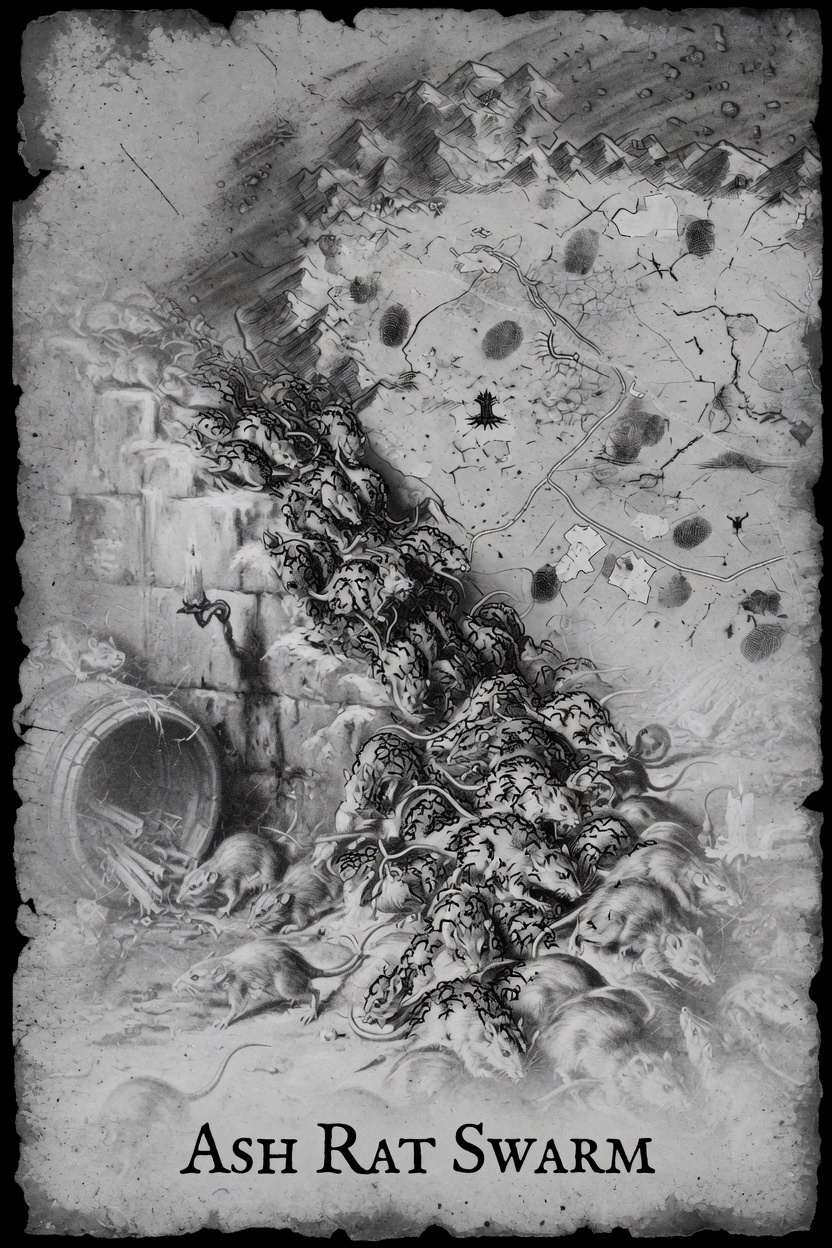
A moving carpet of grey fur that gets to the dead before the crows do. They are skittish and small, and they still bite in numbers. On a hit, several little mouths get through armour, more of them while the swarm is whole. There is a small chance the bites put grey rot in you for two days, and then nothing in you heals until the sickness is treated. Standing near the swarm does nothing. The bites happen in the fight.
Murder of Crows, and the Corpse Crow
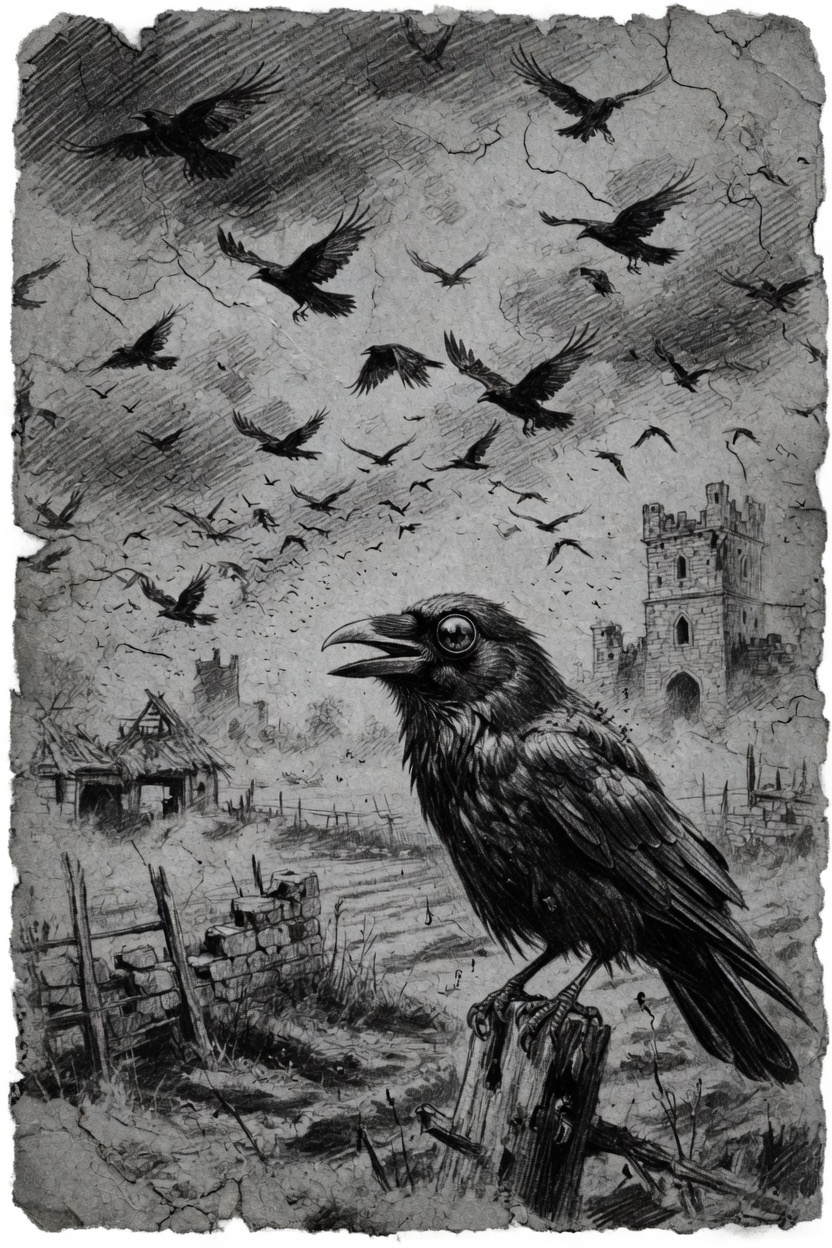
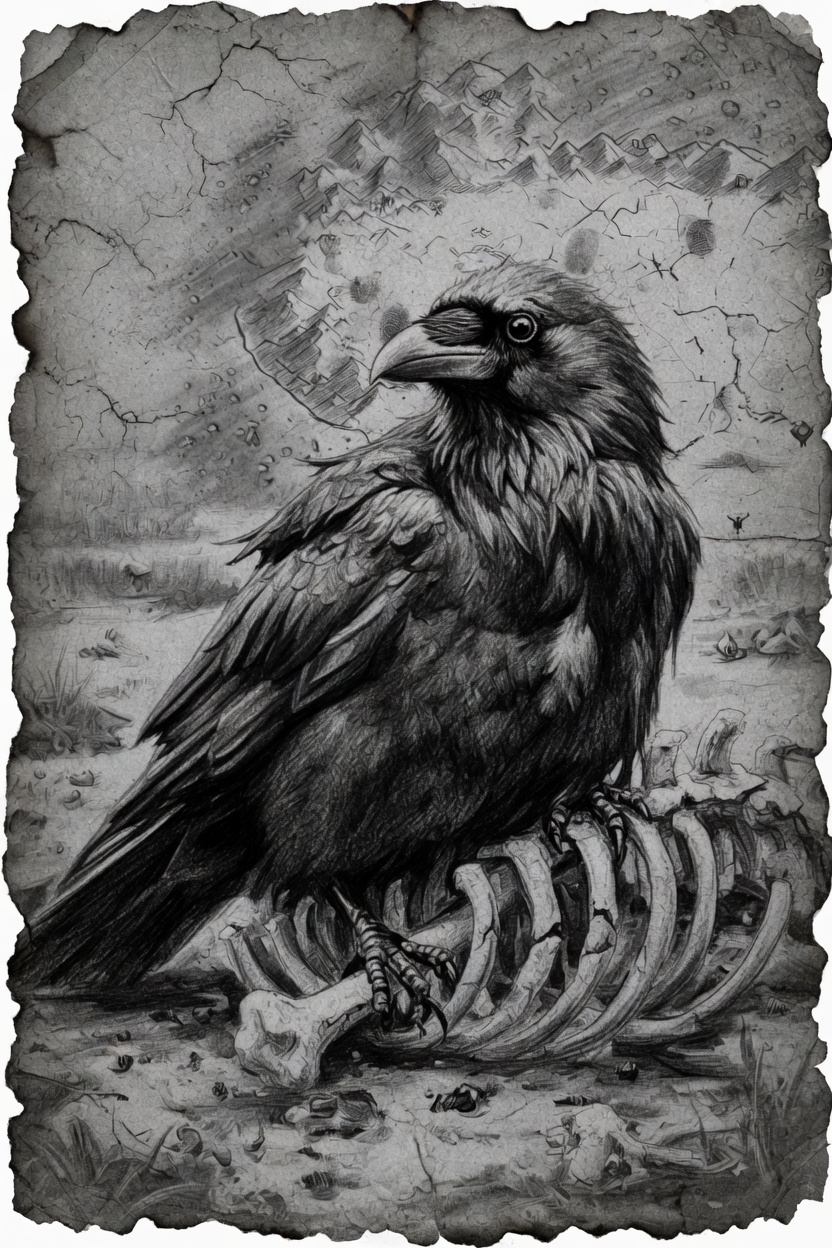
Crows gather before a death, and sometimes they are only early. They are skittish. In a fight their wings can fill your face for a short time, so you cannot see what you are hitting, and now and then a flock is an omen: a personal trouble scheduled to find you a few minutes later. They do not take sanity by being overhead. Feathers and bone are what a body of them leaves.
Mange Dog
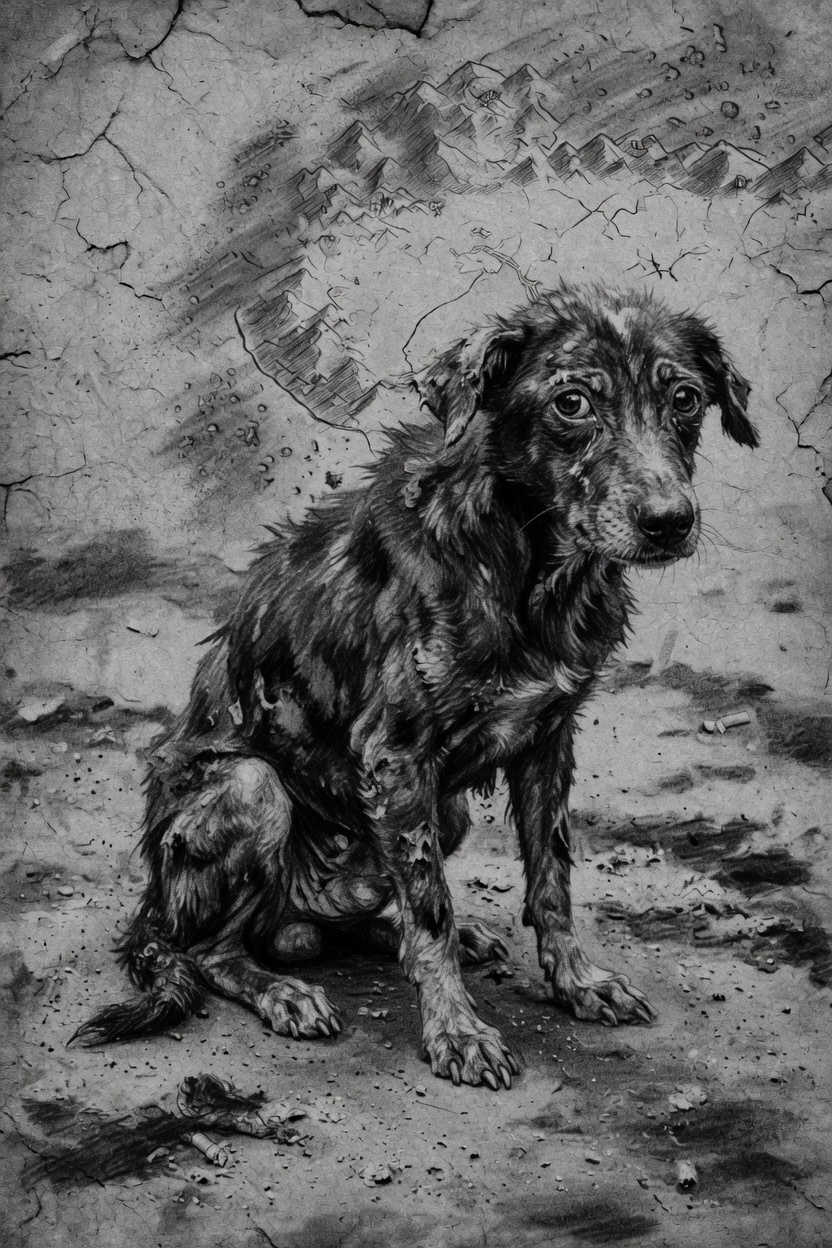
A territorial dog that has forgotten the house it was kept for. Its bite can open a bleed that lasts about half an hour, less often if your Defense is high. Its howl can call whatever else of its kind is near enough to hear. The ribs and the smell do not make you ill from across the yard.
Tusked Boar
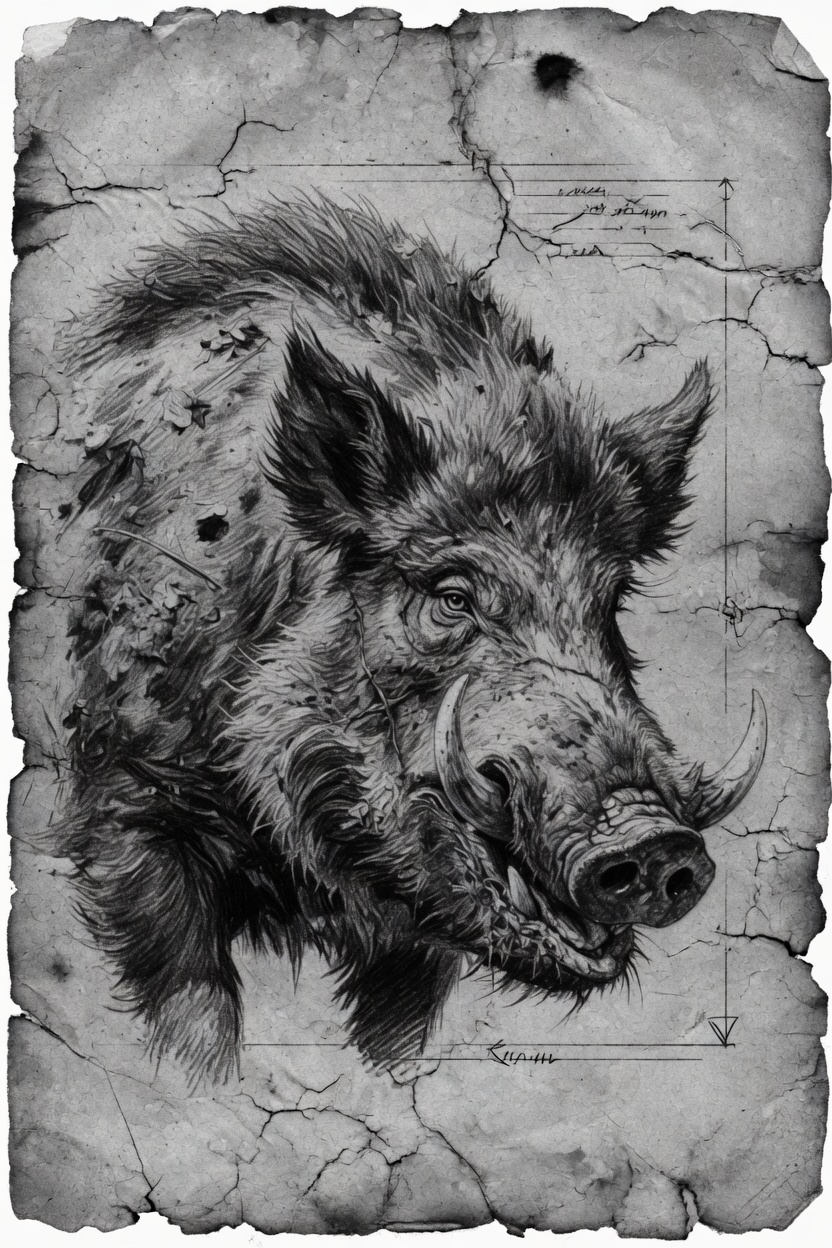
Heavy, territorial, and unwilling to share a patch of ground. It charges for extra pain and lost breath, and a tusk can go in under the ribs and twist, which is a deep bleed lasting about an hour and a further wound. The carcass is the honest reason to hunt one: meat, hide, tallow, and sometimes a tusk. None of that happens because it walked past you.
Grey Wolf
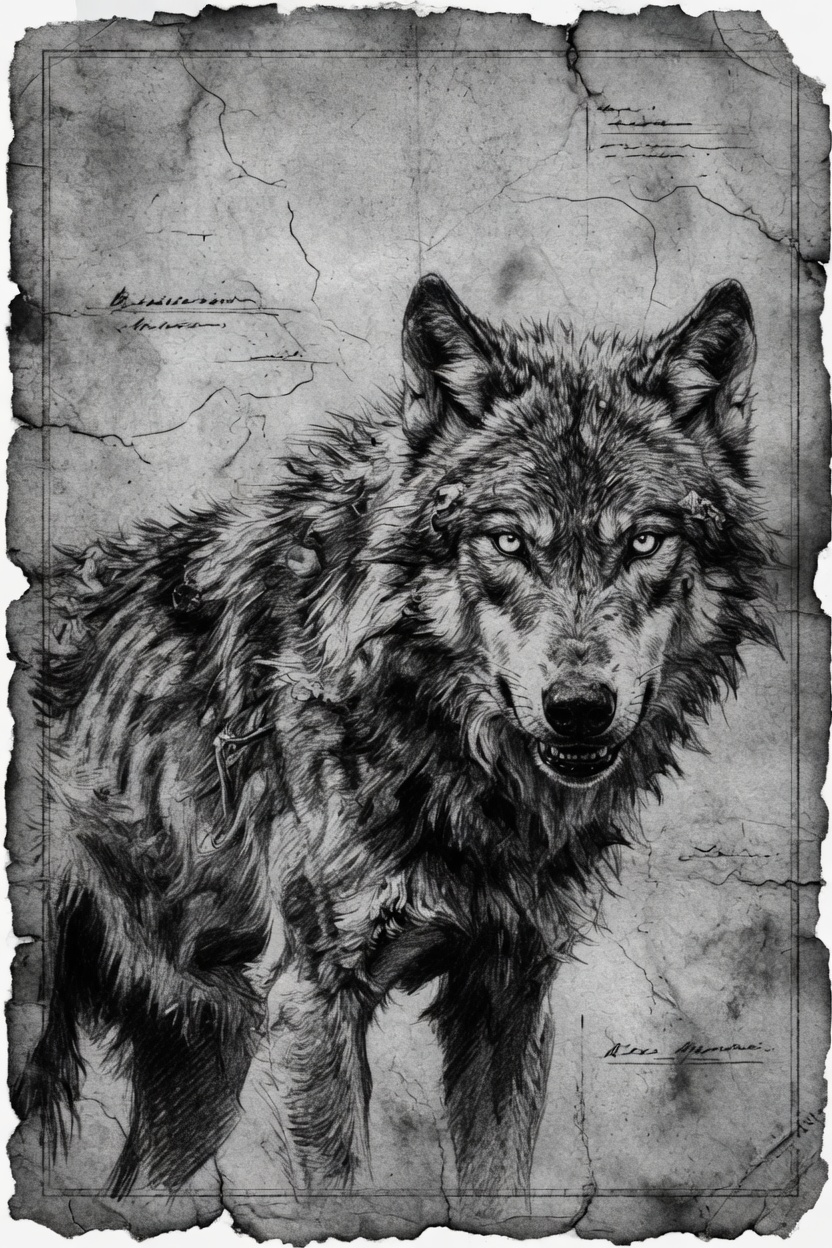
It hunts what you become when you run. Wolves work as a pack. A bite or a rend can bleed you. A howl calls the others. If you are already bleeding, the fight gets worse because the pack is built to finish a runner. They do not sap your mind from the tree-line.
Alpha of the Long Winter
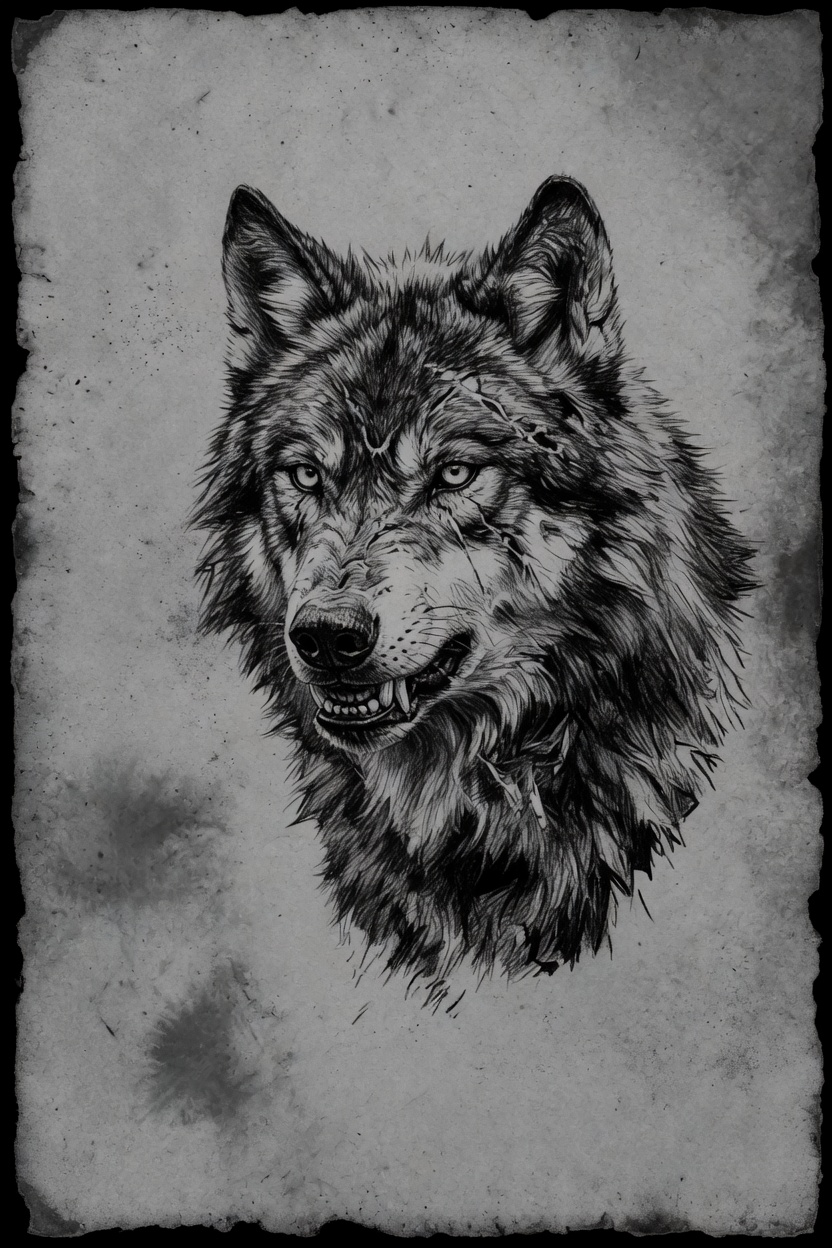
A named wolf, scarred, that remembers the taste of mail. It hunts rather than warns. Besides the pack-call and the bleed of a rend, it can hamstring you: for about three minutes your leg will not take your weight, and running, dodging, and the road are all harder. That happens when its teeth find the back of the knee, not when you see it on the rise.
Fen Adder
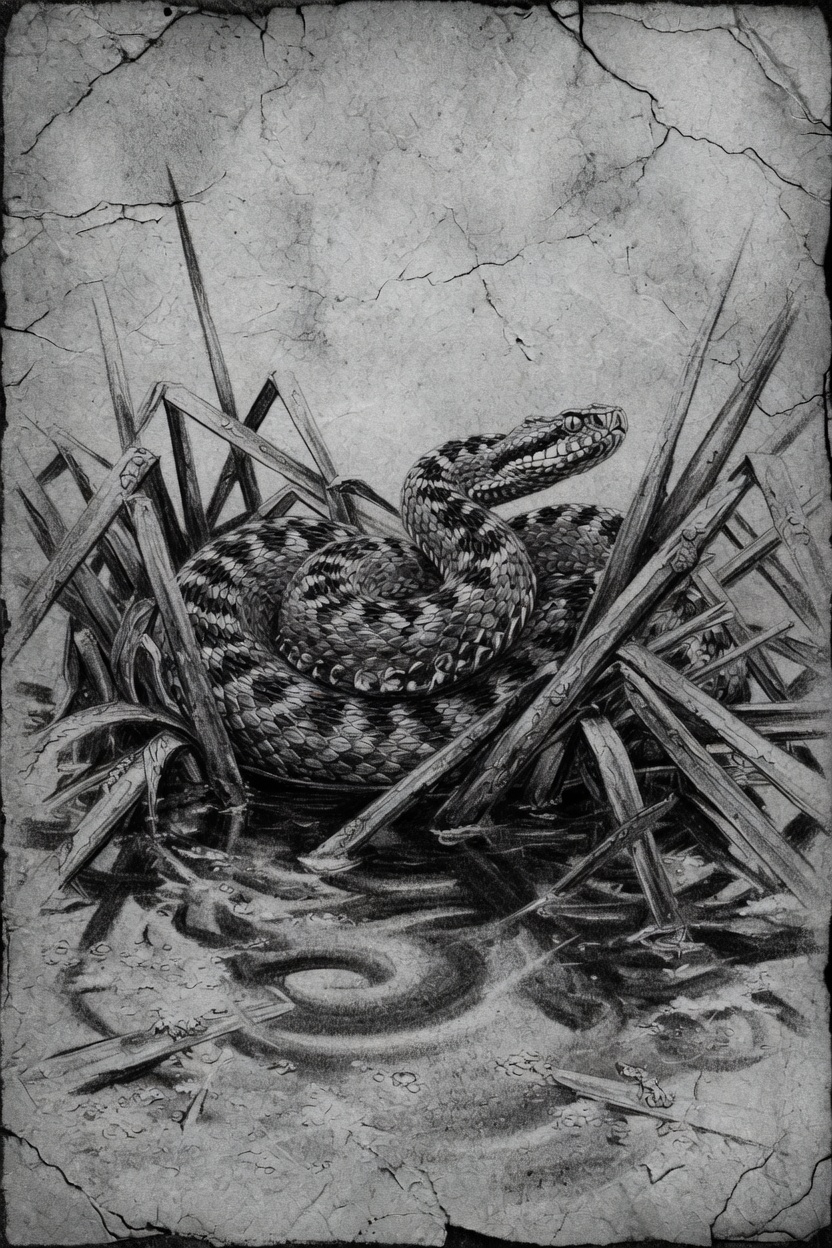
An ambush. You hear it after it has already bitten, which is the arrangement. About one bite in three is venom: you are poisoned for about an hour, and you take a little extra hurt as the arm goes numb. Walking past a patch of fen does not poison you. The bite does.
Gaunt Deer, Ash Hare, and Mire Goose
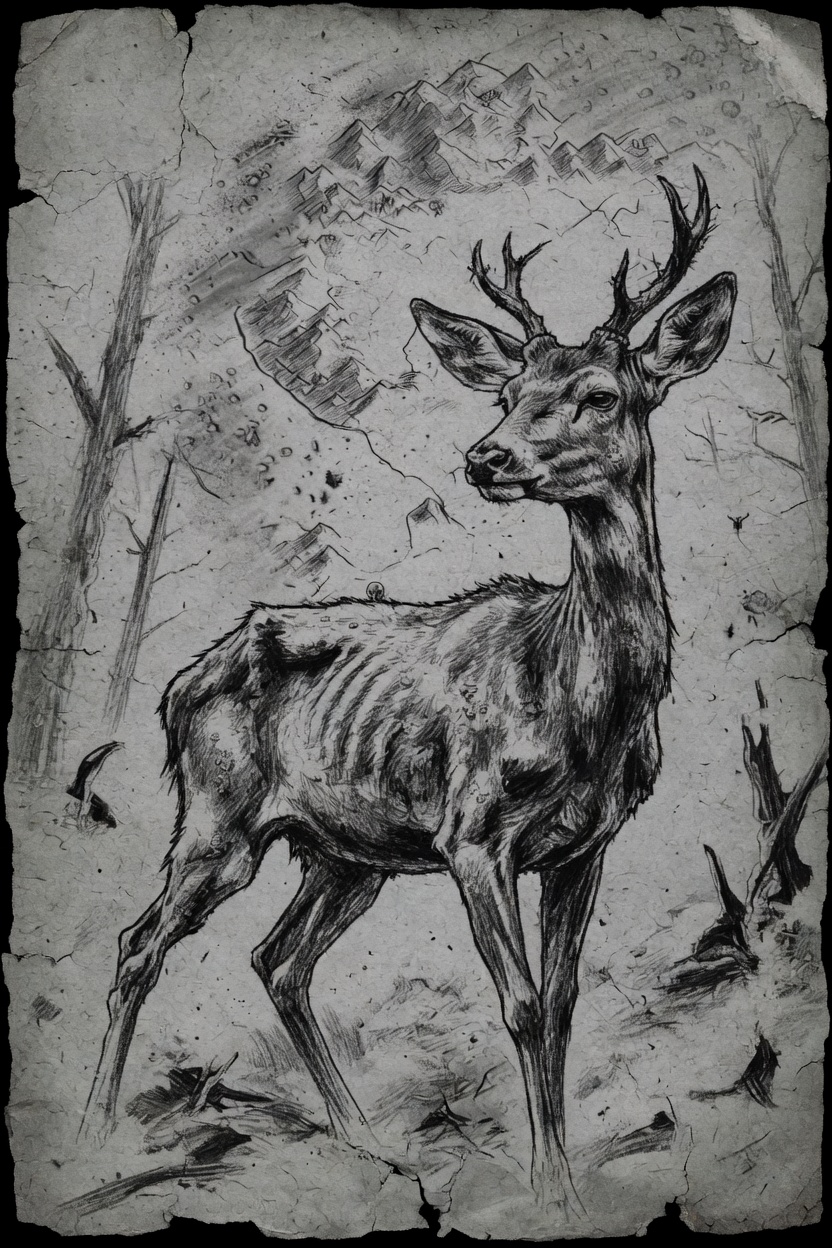
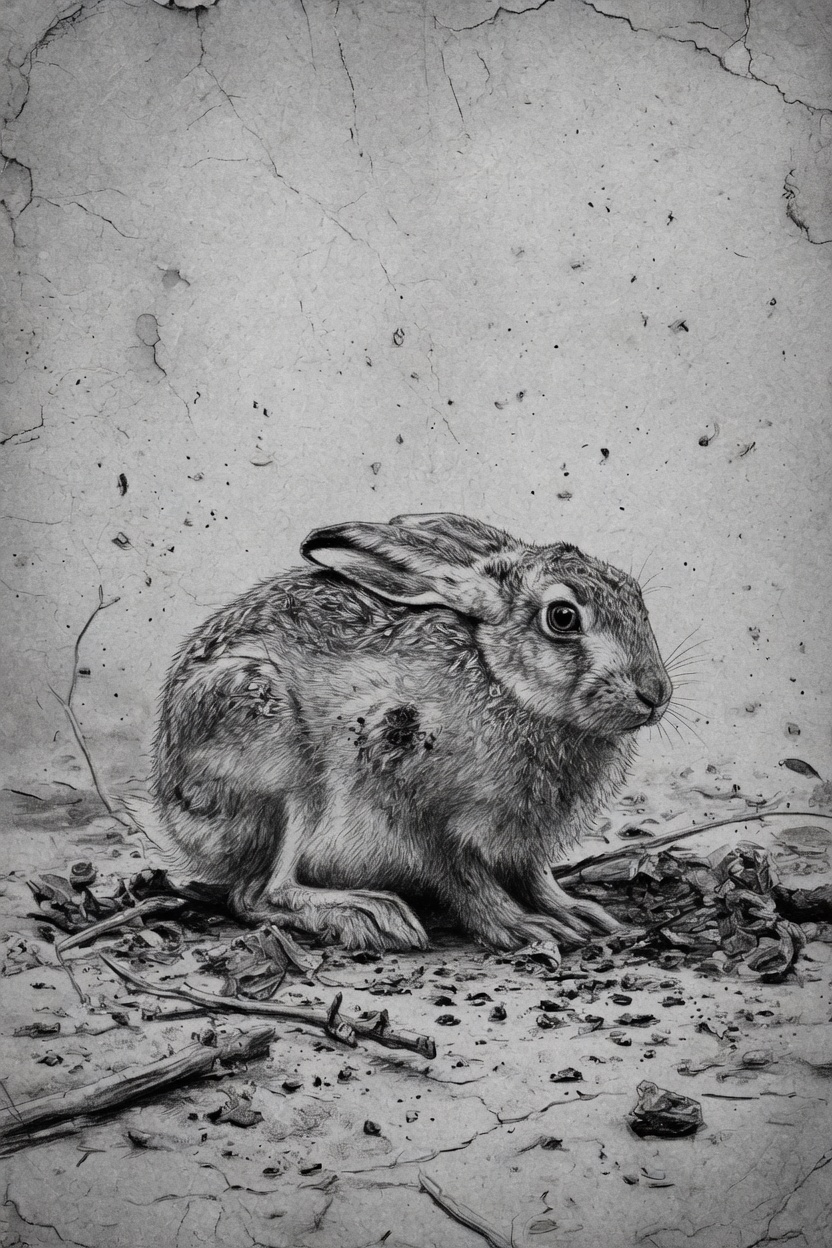
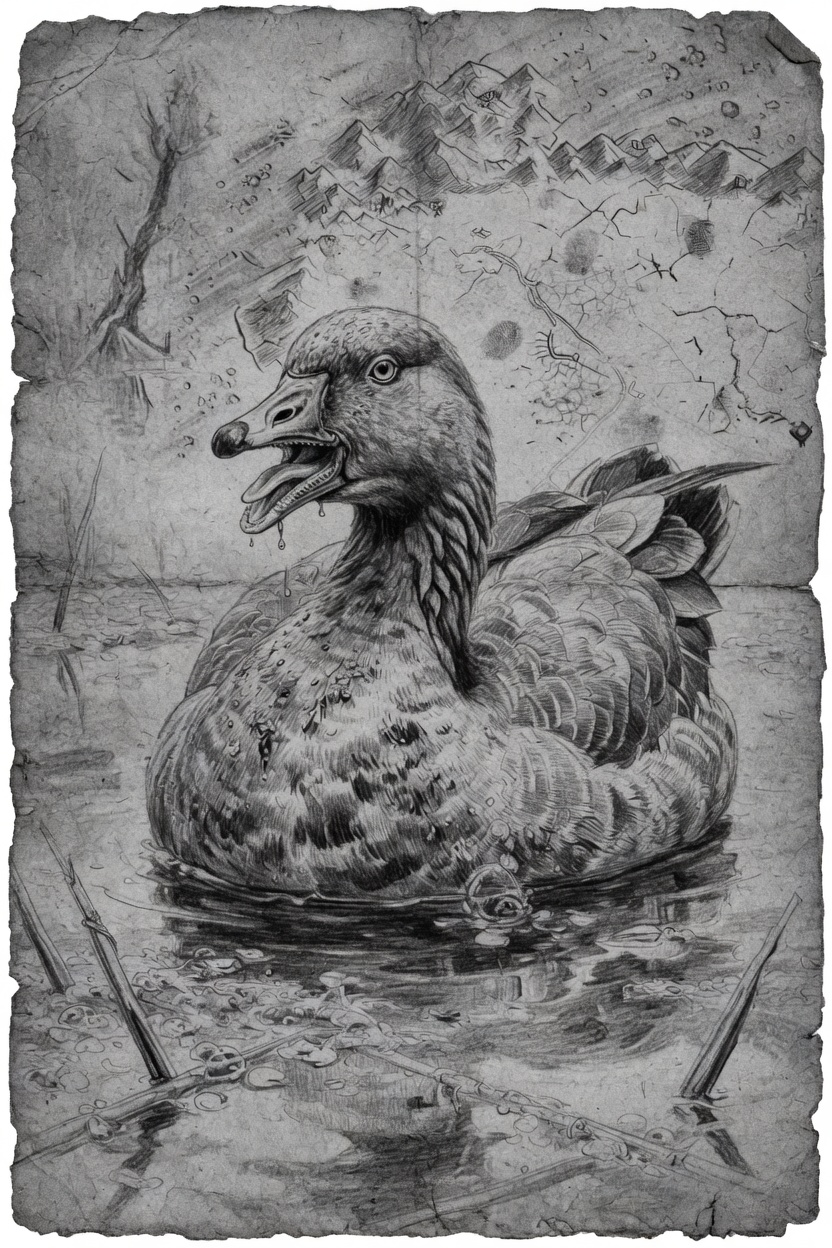
These are game. They hide until you track them, and they bolt if you are clumsy or if you hurt them without killing them. A deer is all ribs and listening. A hare is the colour of the ground until it decides not to be. A goose is fat on black water and will hiss. They are not a danger to your sanity or your blood. They are meat, hide, antler, tallow, and feathers, if you stop them before they leave.
People who have turned
Deserter
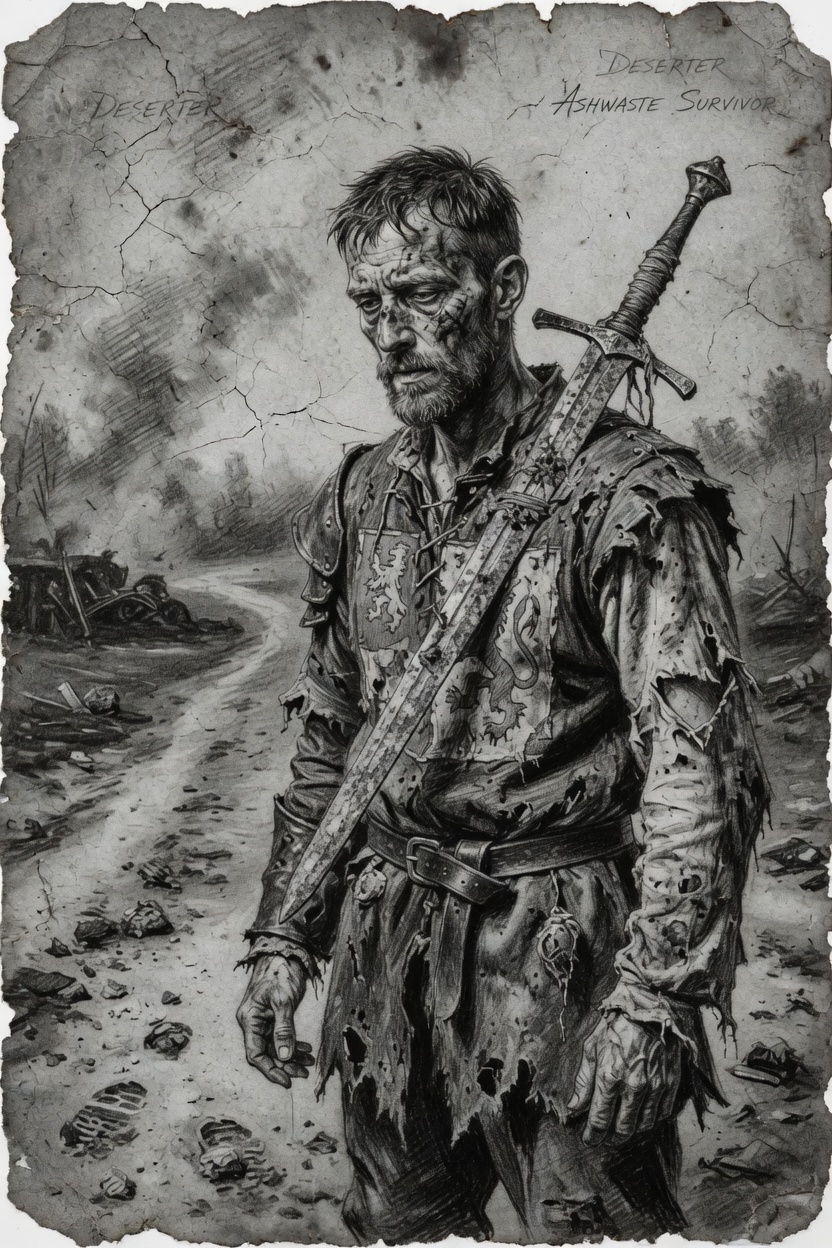
A person in half a uniform who has decided your pack is a pension. Deserters ambush. A slash can open a short bleed. A shield bash can stagger you for a few seconds and knock the wind out of you. They will try to flee when the fight turns. They are human, so the law still has opinions about killing them on a road. Their pockets hold scrap, sometimes a rusty sword, bread, and the odd tool. None of that reaches you until the fight starts.
Ash Cultist
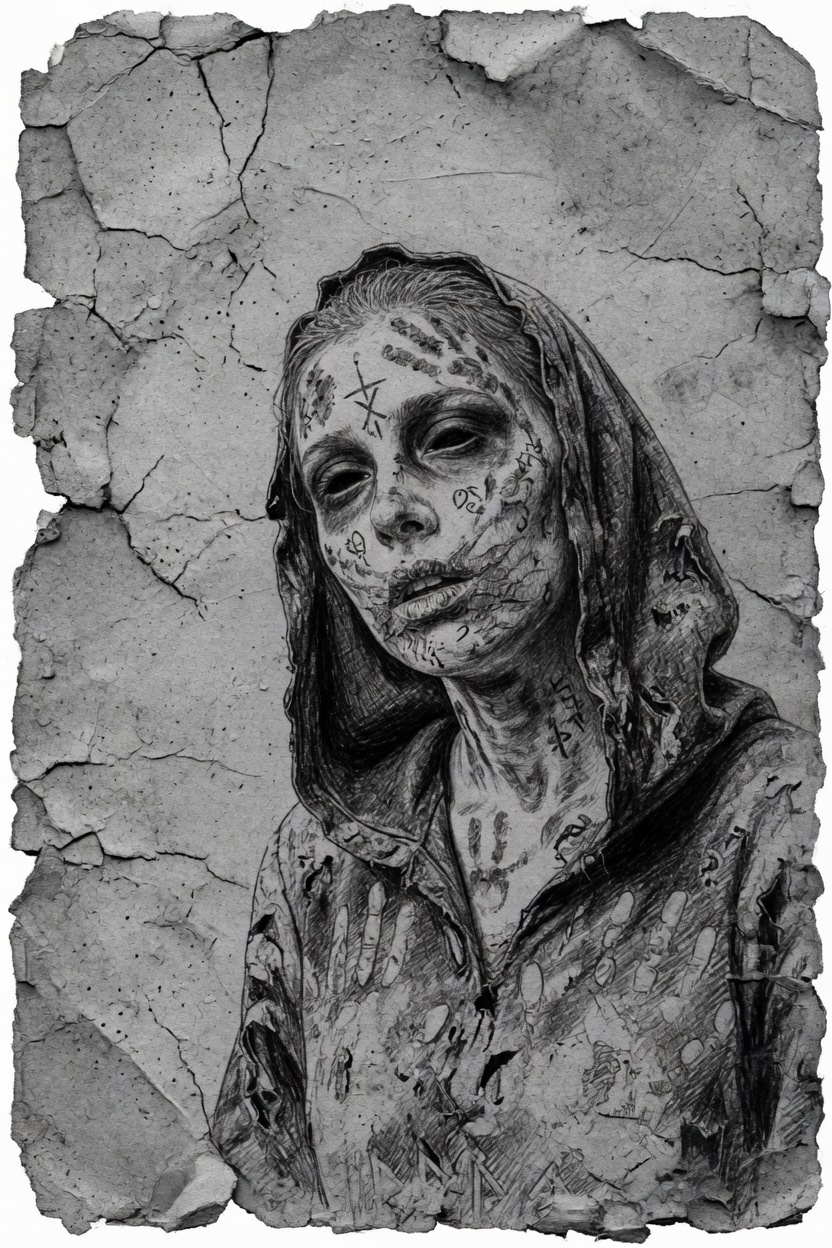
Mouth full of grey paste, and not trying to survive so much as to finish. Cultists are aggressive, so they may begin the fight themselves. An ash bolt is extra pain and lost breath. When they are badly hurt they sing and hit harder, because they have stopped caring what you do to them. A page of the ash rite is sometimes on the body. Being preached at from across a village does not burn you. The bolt does.
Splinter Zealot
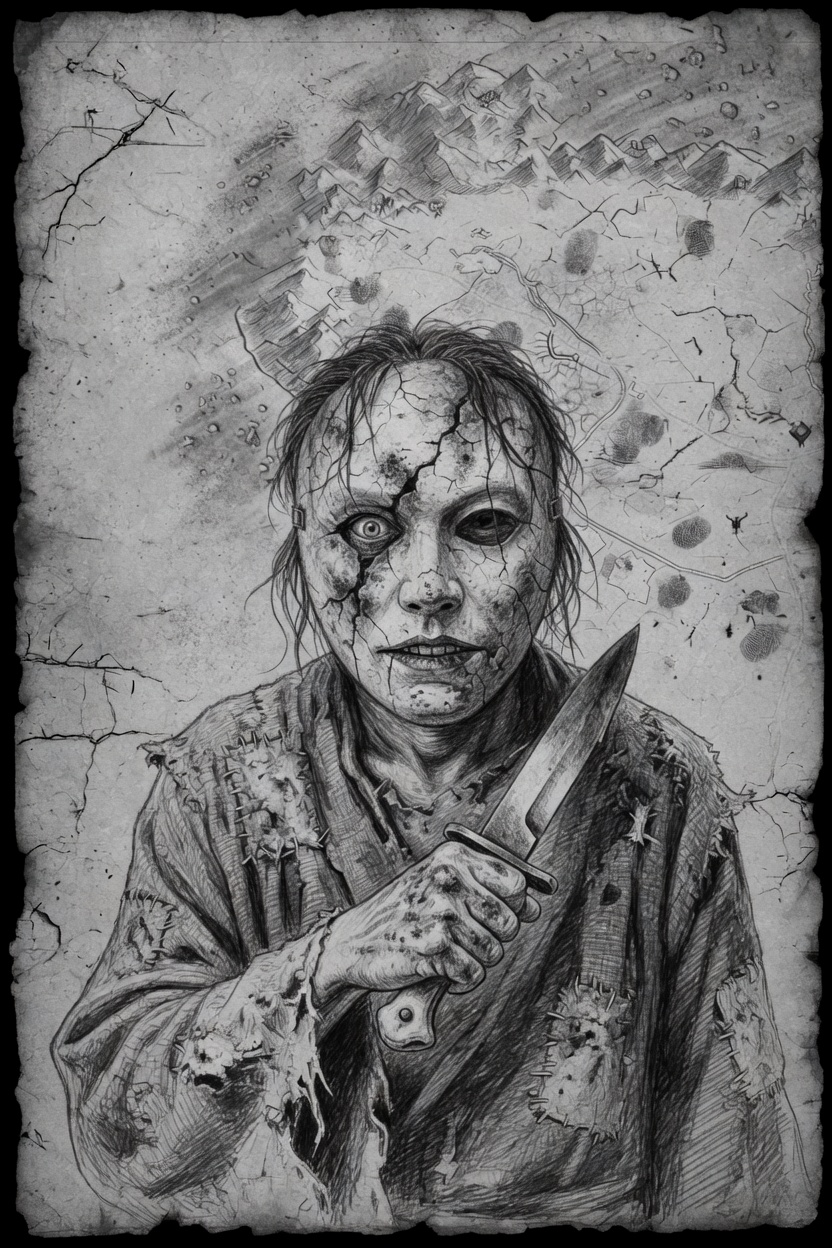
Half the cult decided the other half is the heresy, and both halves agree about you. A zealot is aggressive and fights with ordinary blows. There is no curse and no drain of the mind on the strike. Ash and a few silver shavings are the usual leavings.
Hostile Stranger
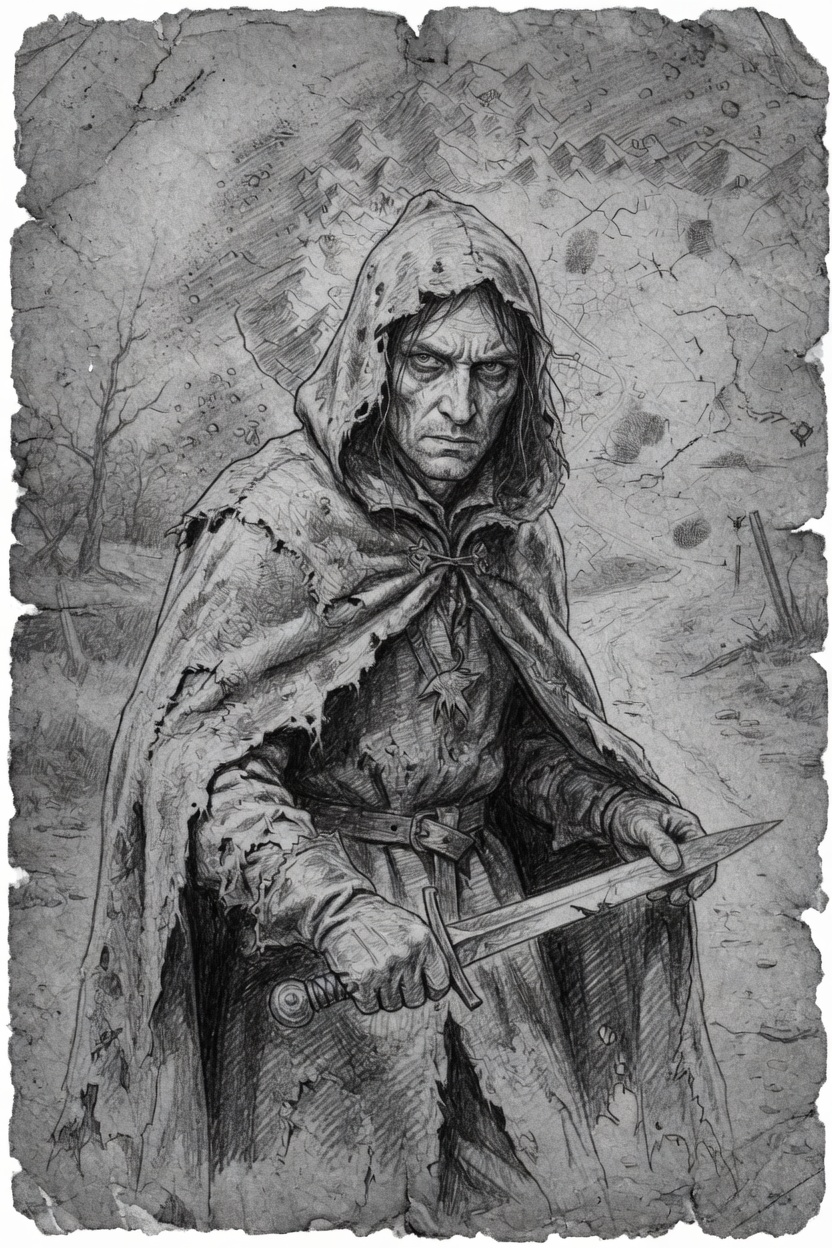
This is not one animal. It is a person who had a name and a reason, and who has decided you are the reason. Dialogues and events put them on the ground under their own name. They fight as a person fights. They have no special rot, fear, or sanity effect beyond the wounds. They may try to break off.
Hollow Pilgrim
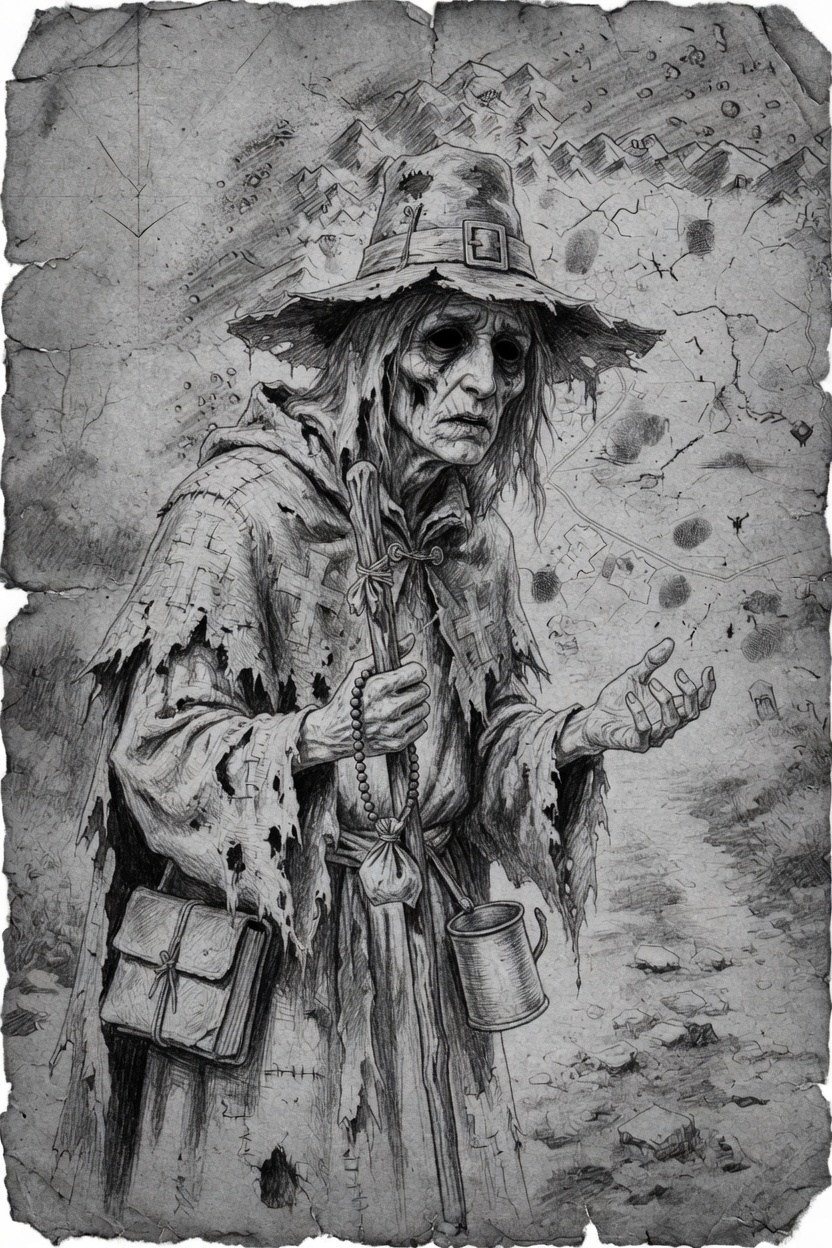
A passive figure on a road that no longer exists, asking for a name it has forgotten. It does not hunt you. If you strike it, it begs in a voice that used to belong to someone, and that plea costs you a little sanity on the blow. There is also a chance, on a blow, of a curse that lasts a day and a little corruption, the feeling of being watched by something patient. Listening to it ask for directions, without a fight, does not curse you.
The dead
Plague Shambler
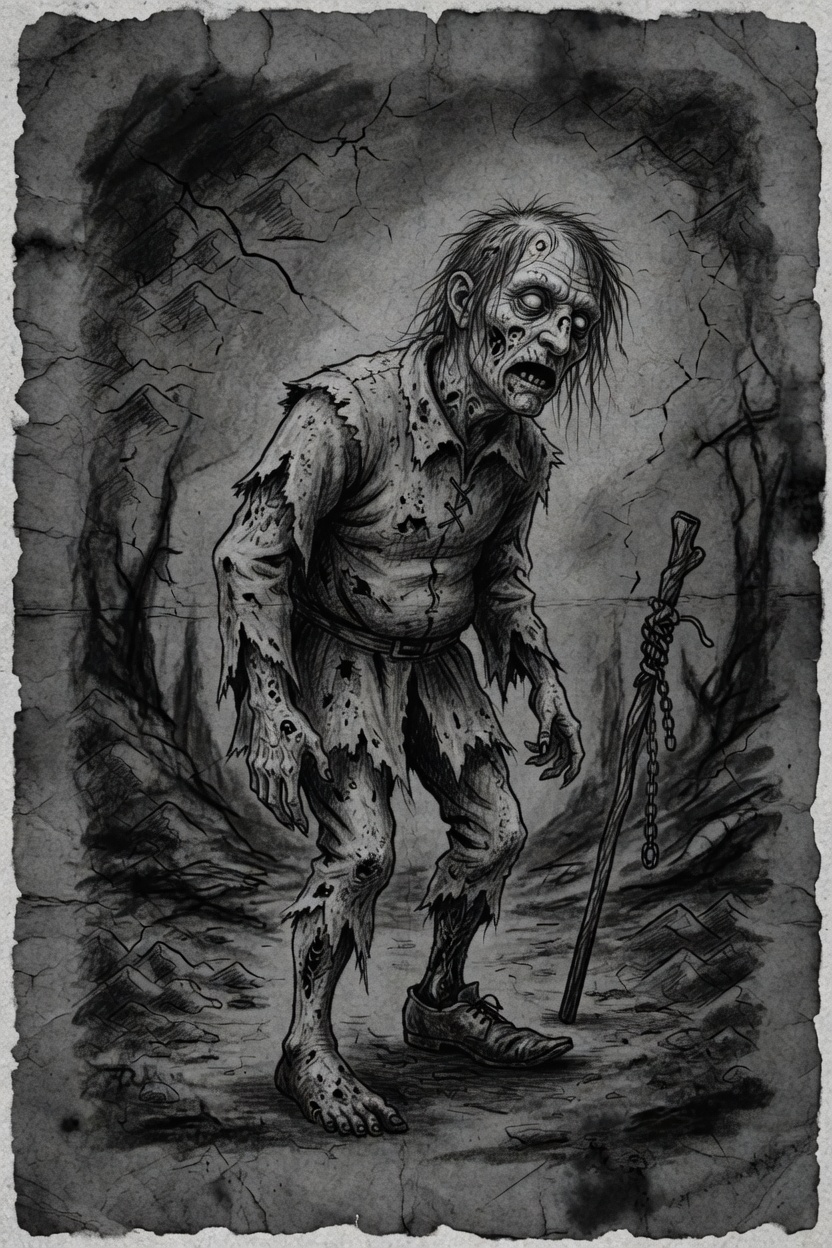
A villager, mostly, still wearing one shoe. It is mindless and it will come. A grab holds you for a few seconds. About one blow in five, if you are not already sick, puts grey rot in the wound for three days, and regeneration stops until you treat it. The smell of the pit is not the infection. The wound is.
Mire Ghoul
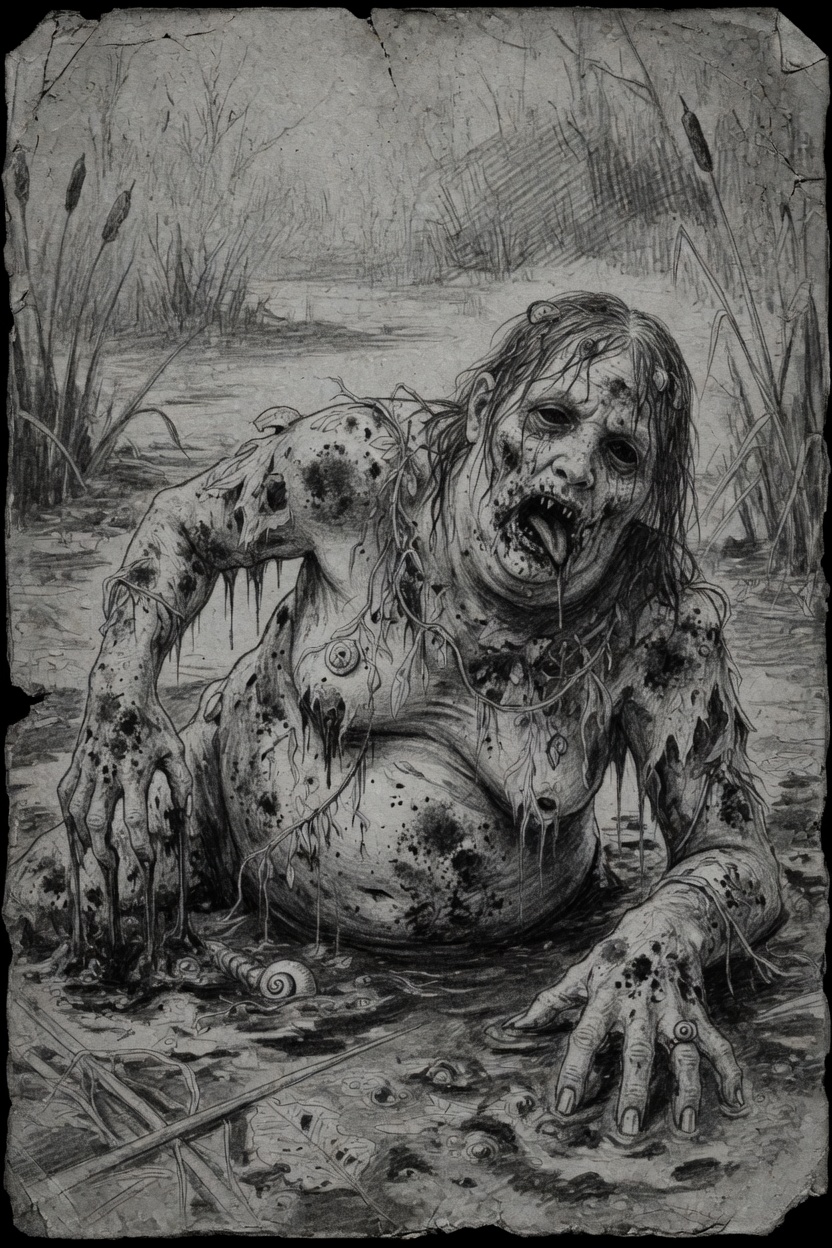
It has been in the water long enough that the water is in it. It hunts. A rend can bleed you. A paralysing touch, about one blow in six, locks your legs for half a minute, which is long enough. If you are already bleeding, it drinks and knits itself. Fear is not its tool. The water around it, while you are only looking, is only water.
Grave Wight
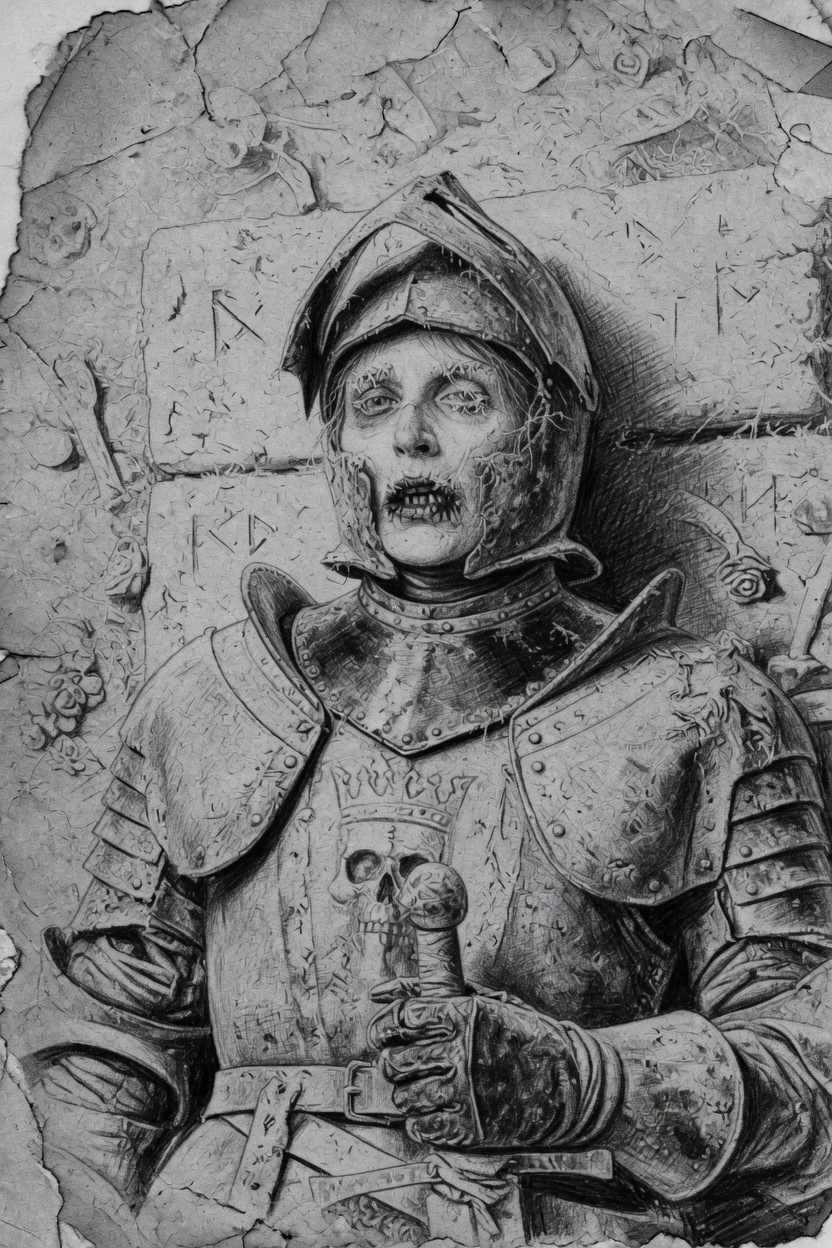
Buried in its armour, and it has not taken any of it off. It is mindless and it comes. A chill touch steals breath and warmth, about ten points of warmth, which matters on a cold night. A grasp holds you. Its fear can land on a blow: if your Will and Defense are not enough, you lose sanity and you are afraid for about two minutes, and your hands will not do what you ask. That fear is the blow, not the sight of the barrow.
The Barrow King
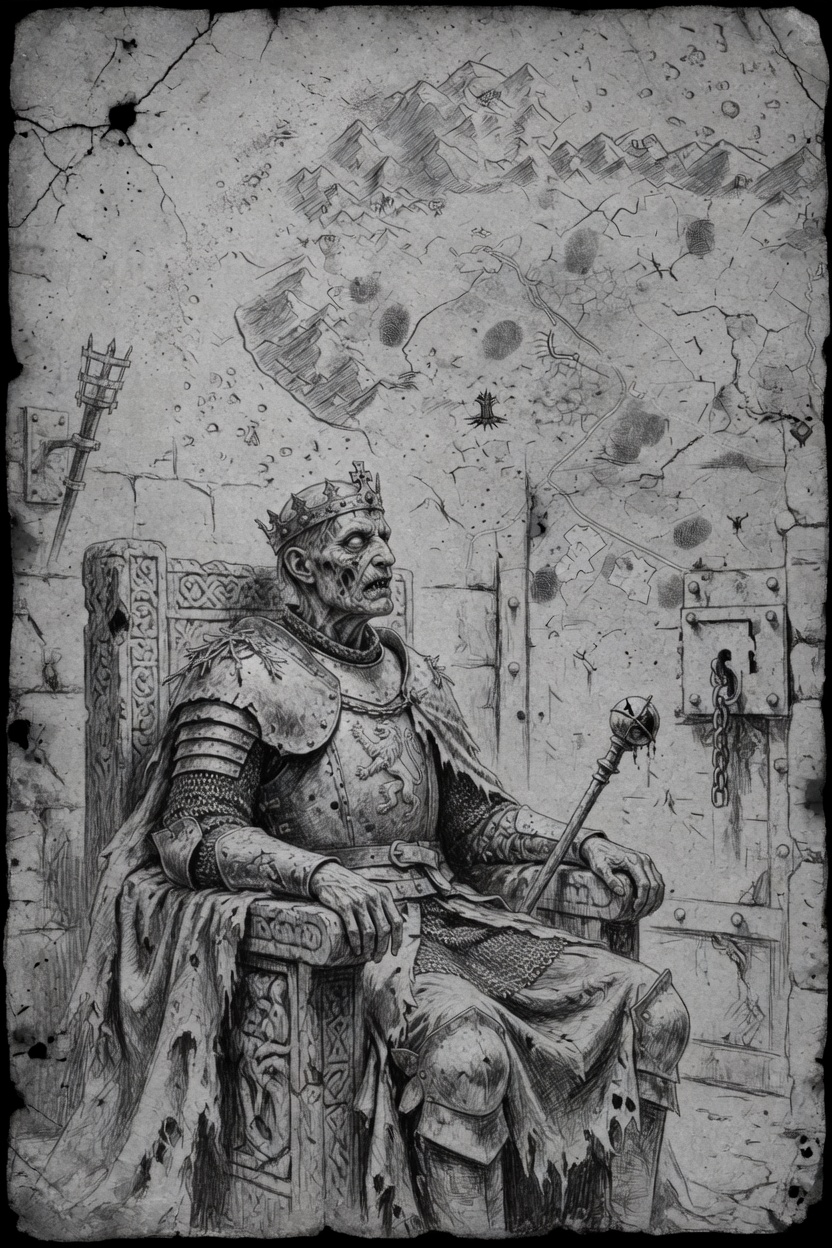
He was buried sitting up, facing the door, and he has been waiting for someone to open it. He is ancient, heavily armoured, and a fight with him is a boss fight. On his blows, the crown of dust takes sanity and adds corruption. He can call grave wights up out of the ground around him, about one blow in three. His dread is the same terror as a wight’s fear, and a sword-oath can cut you again for extra pain. Courage that would steady you against ordinary fear does not answer a thing that speaks with the dead in quite this way if the ability is the undead mind; his dread can still be refused by a fearless virtue, because that virtue stops ordinary terror. The door of the barrow does not curse you for standing in it. His blows do.
Hollow Knight
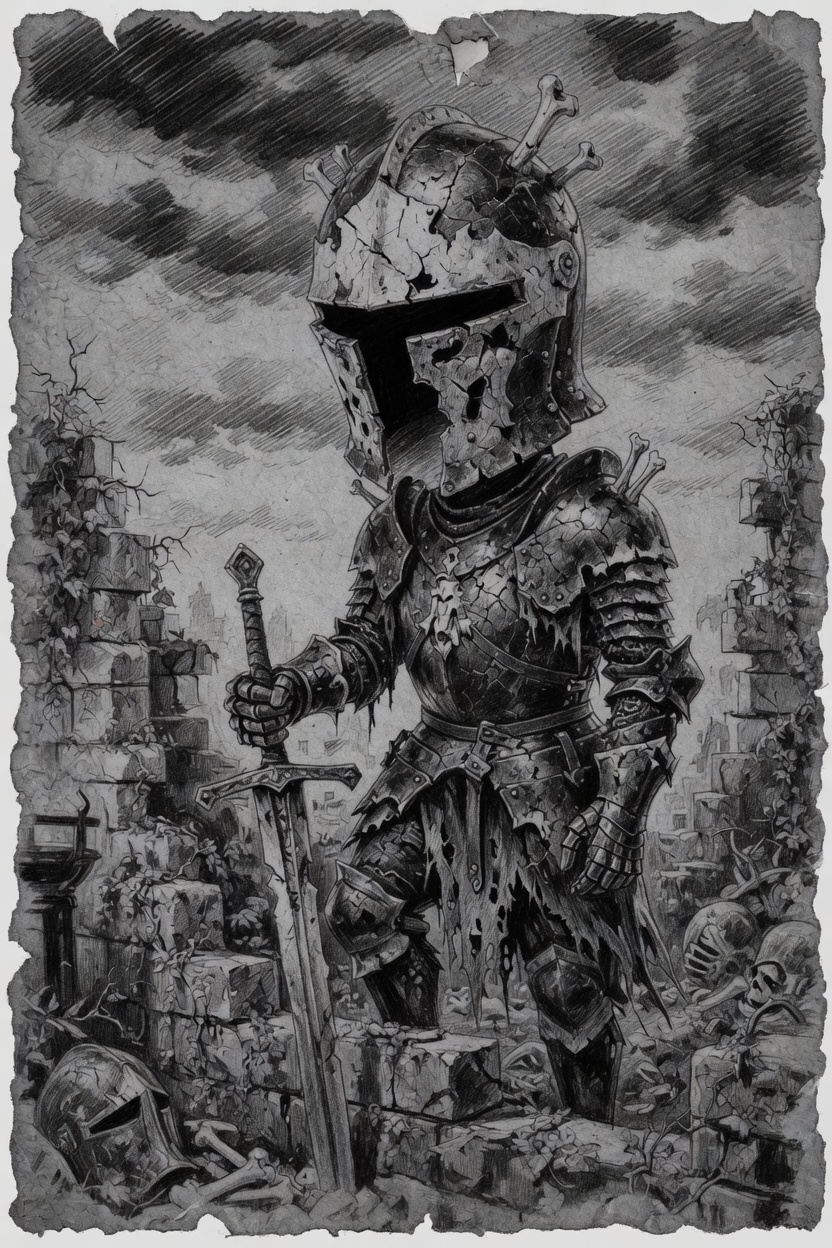
Plate fused to bone, and the helm is empty, and it looks at you. It holds its ground. A cleave is a heavier cut and a loss of breath. It can bind you with an old oath, about one blow in five, and for half a minute you cannot run. It is a long fight and a rich body: steel, sometimes a greatsword, sometimes a soulshard. The look from the empty helm, while it has not yet struck, is only a look.
Wood, pale, and fae
Wood Wraith
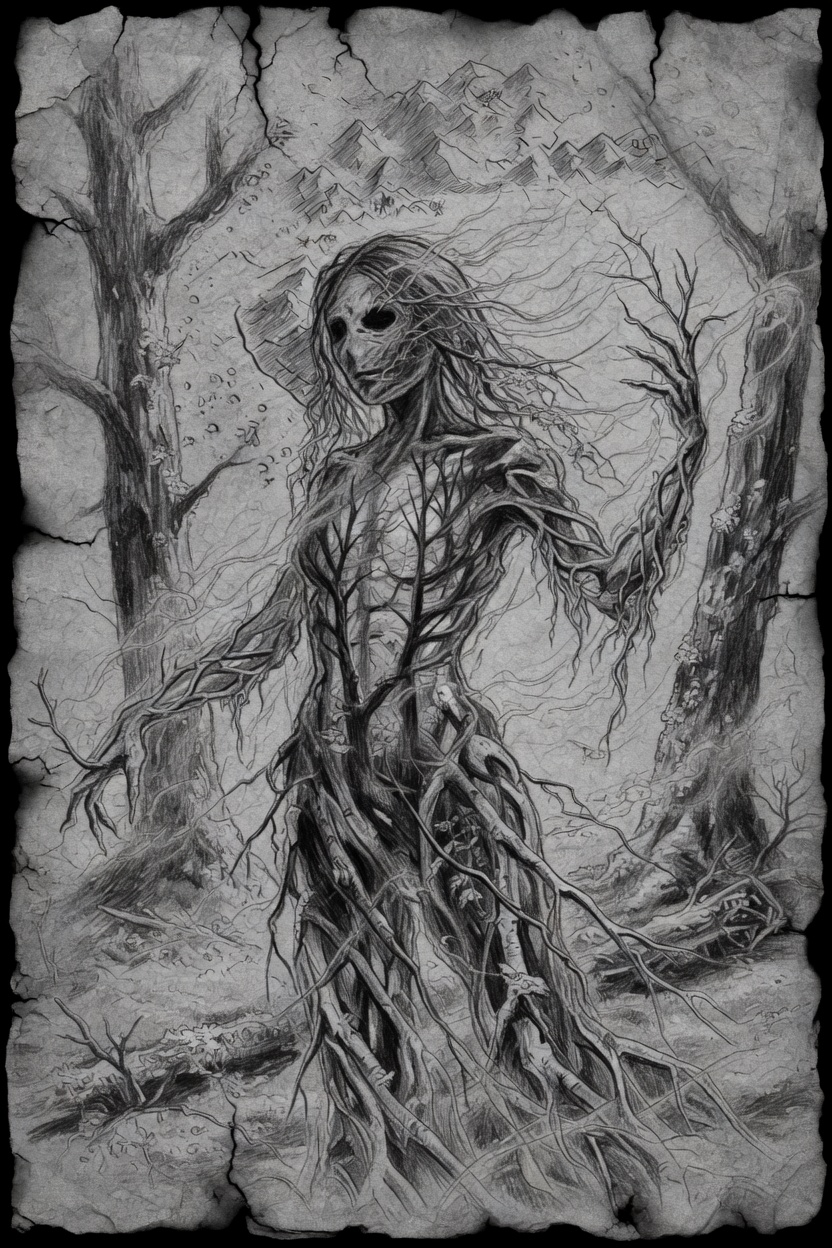
A shape the trees agree to hold for a moment, and the thing that wears your face when the haunting comes. It ambushes, and it is fast, and it is not a wolf. When it hits you, two things happen together. It drains a little of your life and knits that same amount back into itself. And it whispers, which takes between three and nine sanity. A gift that shields you from the fae reduces that whisper. About one blow in five, it is simply not there for a short while, and it is still here. None of this happens because it is listed under “Also here.” The morning you wake and see your own face is a separate haunting: that message itself takes sanity, and then the wraith is placed on the ground, not yet attacking. Search the ground or kill it to end the quest. The haunted mark from that morning lasts a day, and while it lasts your sanity does not come back on its own. That mark is the event, not an aura around the creature.
The Pale Child
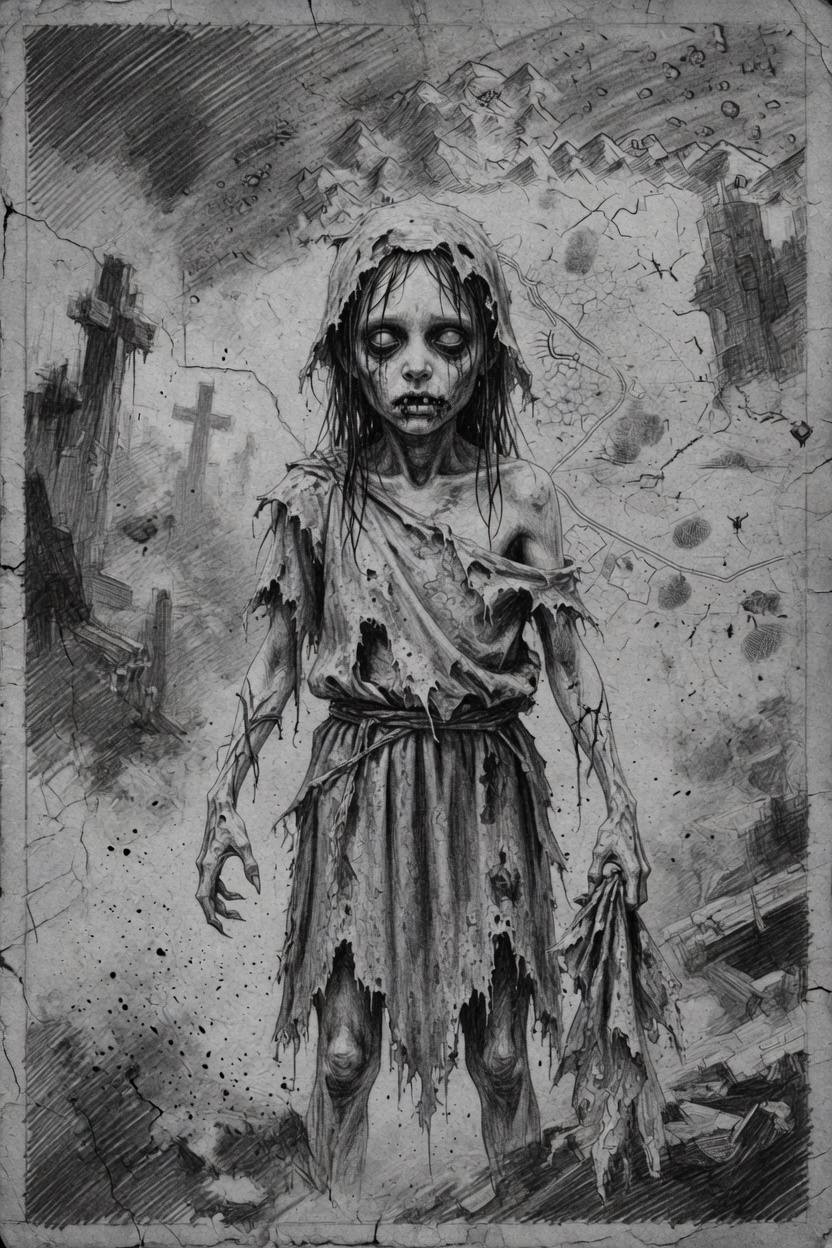
It looks like somebody you were fond of, and it has never met them. It is a curse on the road more than a beast in the wood. In a fight, every blow whispers and also drains sanity, so the mind takes two wounds for one strike, each of them a loss of several points, unless a fae shield softens the whisper. It can vanish the way a wraith vanishes. About one blow in four it mirrors you and hits the way you hit, for about half of your own hardest blow. Standing near a pale child and refusing the fight does not peel your sanity away. Striking it, or being struck, does.
Hound of the Pale
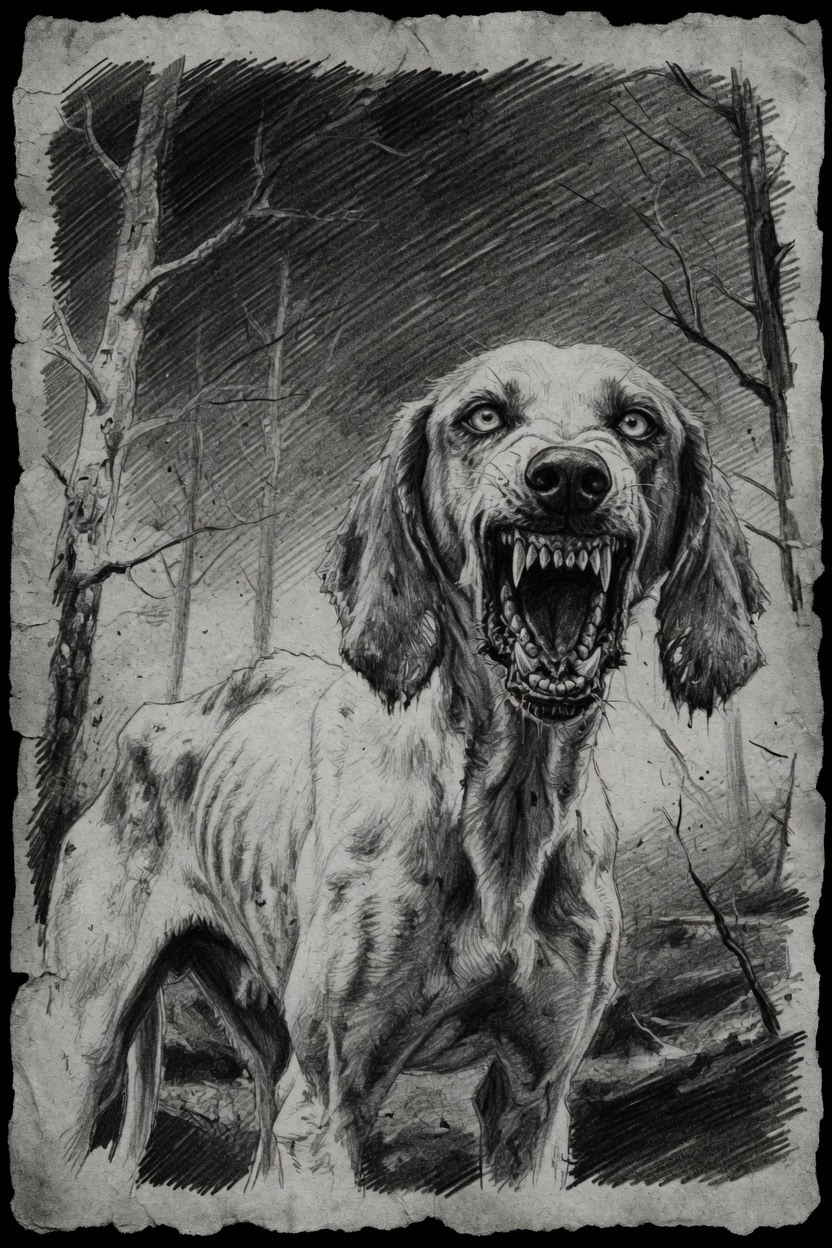
White as milk, red at the ears, hunting for something polite. It is a hunter, so it may start the matter. The bite can bleed you, and its call can bring another. About one blow in five the glamour takes you for half a minute: it is a dog you once loved, and your hands go soft. The glamour is the blow. Seeing white fur at the edge of the wood is not yet the glamour.
Briar Hag
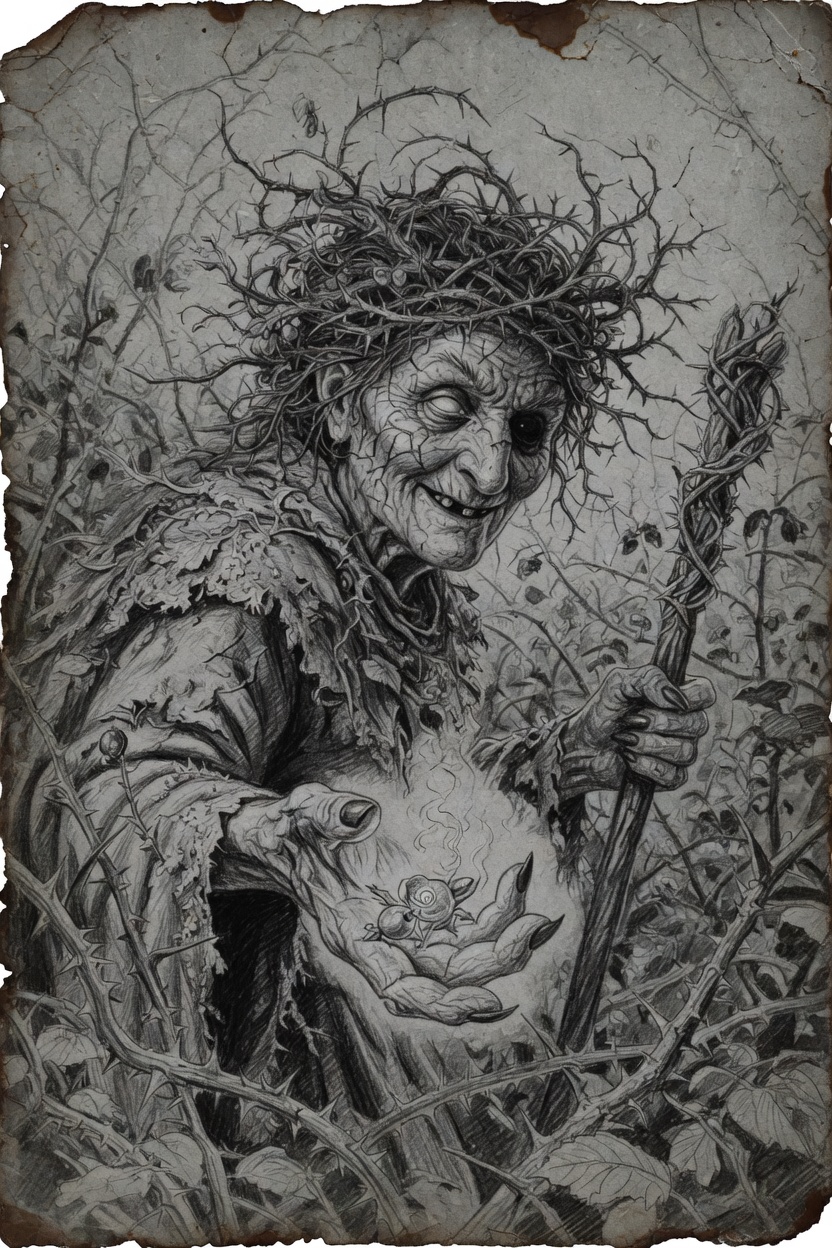
She offers a deal before she offers violence, and the sensible answer is neither. She keeps her ground. On a blow she may hex you, which is a curse for a day and a little corruption, or she may lay the curse of ages, which is the same patient watching. A thorn-lash can cut and bleed you. About one blow in seven she bargains: if you have five silver, your purse is lighter and you do not remember agreeing; if you do not, the price is sanity instead. Talking to Briar-Mother Ys in Hagfen is a person and a shop of teeth and warnings. It is not this fight, and it does not curse you for the conversation.
Bog Lurker
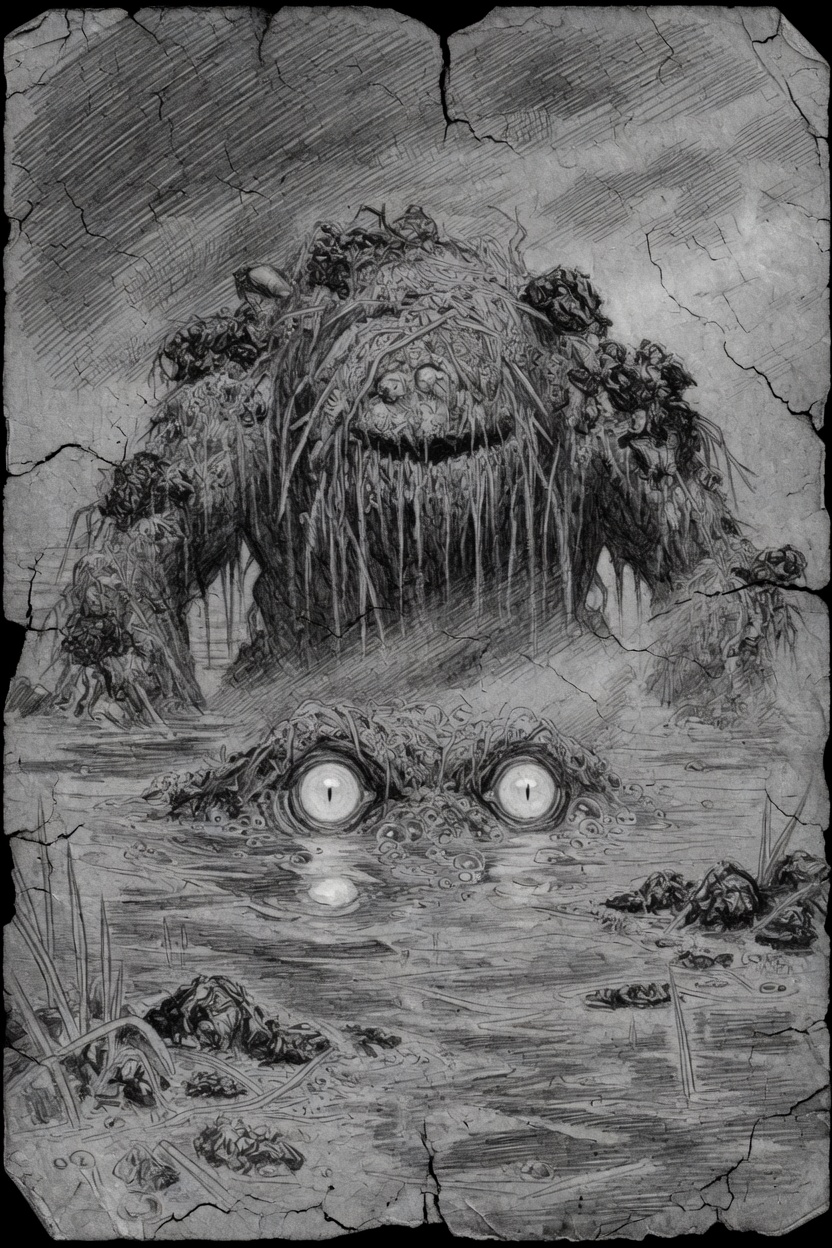
The surface of a pool rises a handspan and then keeps rising. It ambushes in wetlands. It can drag you under, which steals breath and grapples you for a short time, and it can constrict, which holds you. Chitin, ectoplasm, and hide are the body. The pool does not grapple a person who is only looking at the water.
Corpse Flowers
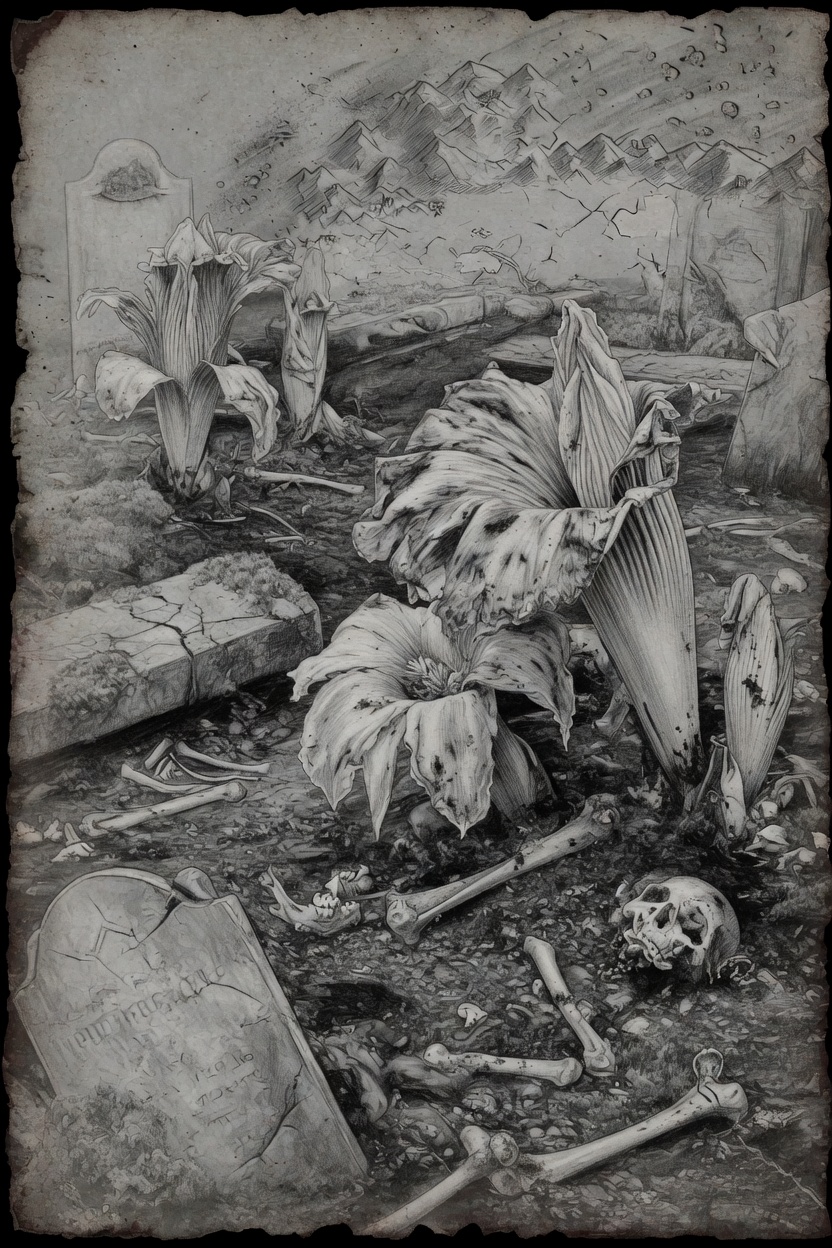
White blooms with a sweet smell and a bad idea inside them. They do not walk, and they do not hunt. If you attack the bed, a spore cloud can poison you for about ten minutes and dry your mouth, and the roots can hold your legs for a few seconds. The smell, by itself, is not the poison. The cloud in the fight is.
The great ones
Ash Golem
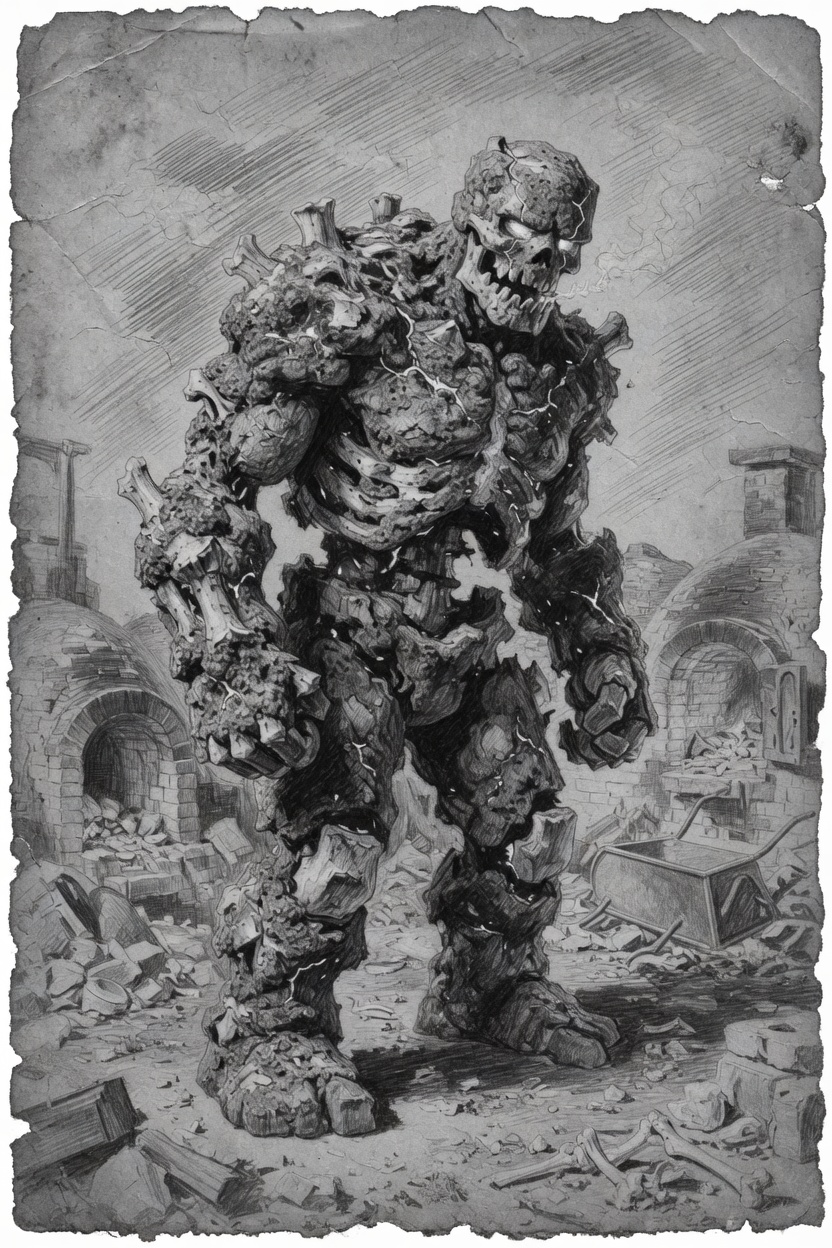
Packed ash and burnt bone, held together by a word nobody remembers saying. It is mindless and it comes, and it is very hard to cut. A smash is a heavy extra blow. An ash cloud can blind you for a short time and dry you. It does not bleed in any way that matters. Cinders and a great deal of ash are what it leaves. The ash on the wind of an ordinary day is weather. This cloud is a blow.
Stone Troll of Kess
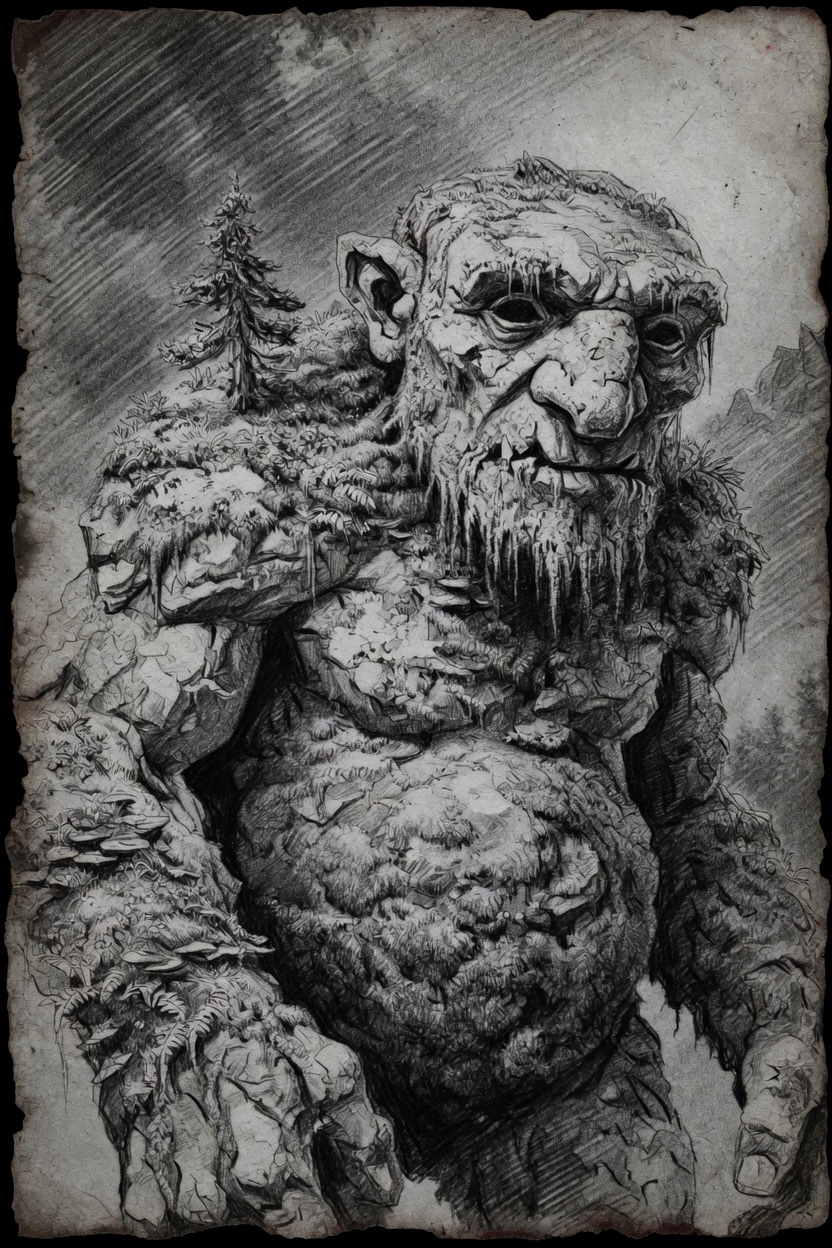
It has stood so long that moss has made a country of it. It keeps its ground, it is slow, and it is extremely hard to hurt. It smashes, and it knits a little of itself back together as the fight goes on. There is no fear and no sanity drain. There is weight. Ore, stone, antler, and a troll hide are the reason anyone tries.
Ash Priest of the Ninth Year
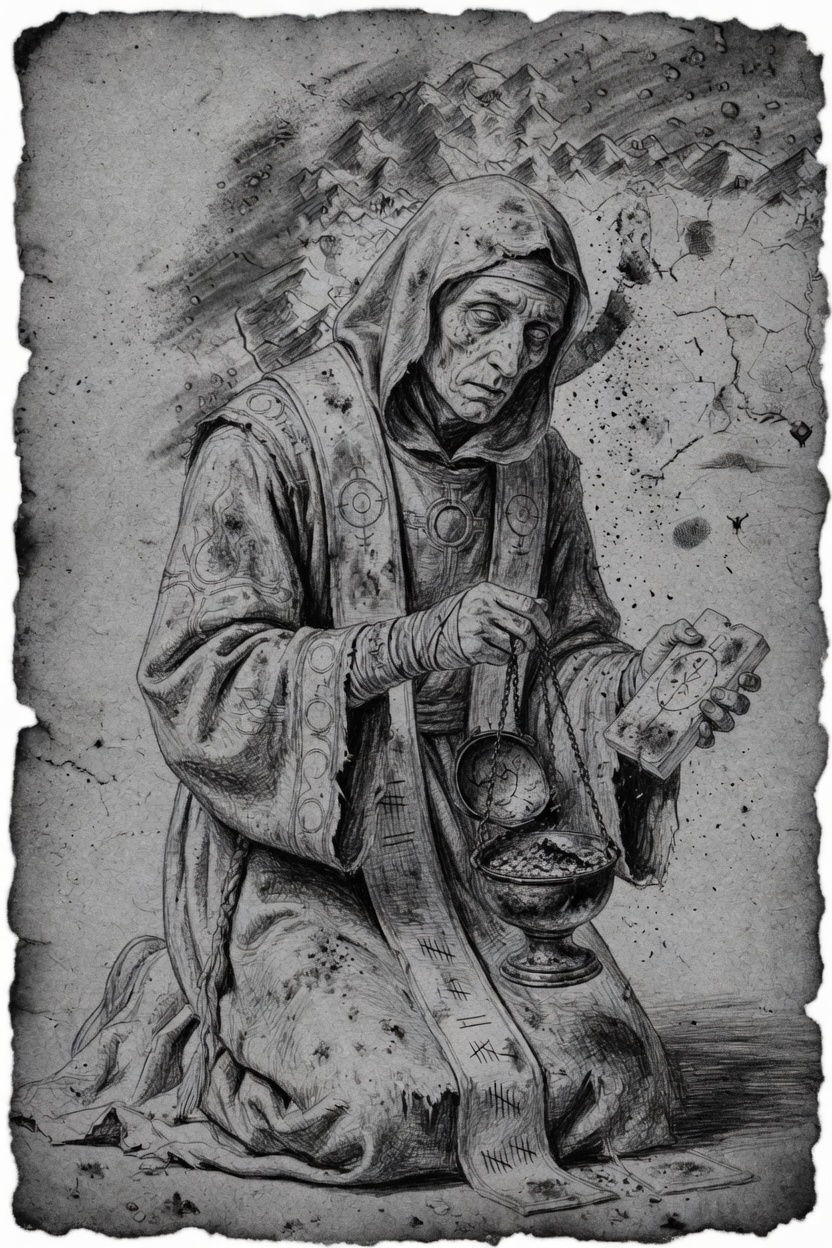
He is still performing the rite that failed, and he has been performing it for eleven years. He is aggressive. An ash storm is pain and lost breath. A brand, about one blow in five, presses the mark of the Ninth Year into the skin: corruption, a little sanity, and a heat that does not cool. He can call an ash golem up out of the ground at his feet, rarely. His litany knits the other cultists and zealots who are still standing on that ground. Meeting him in the temple to talk is a conversation. Meeting him in a fight is the brand.
Wyrmblood Spawn
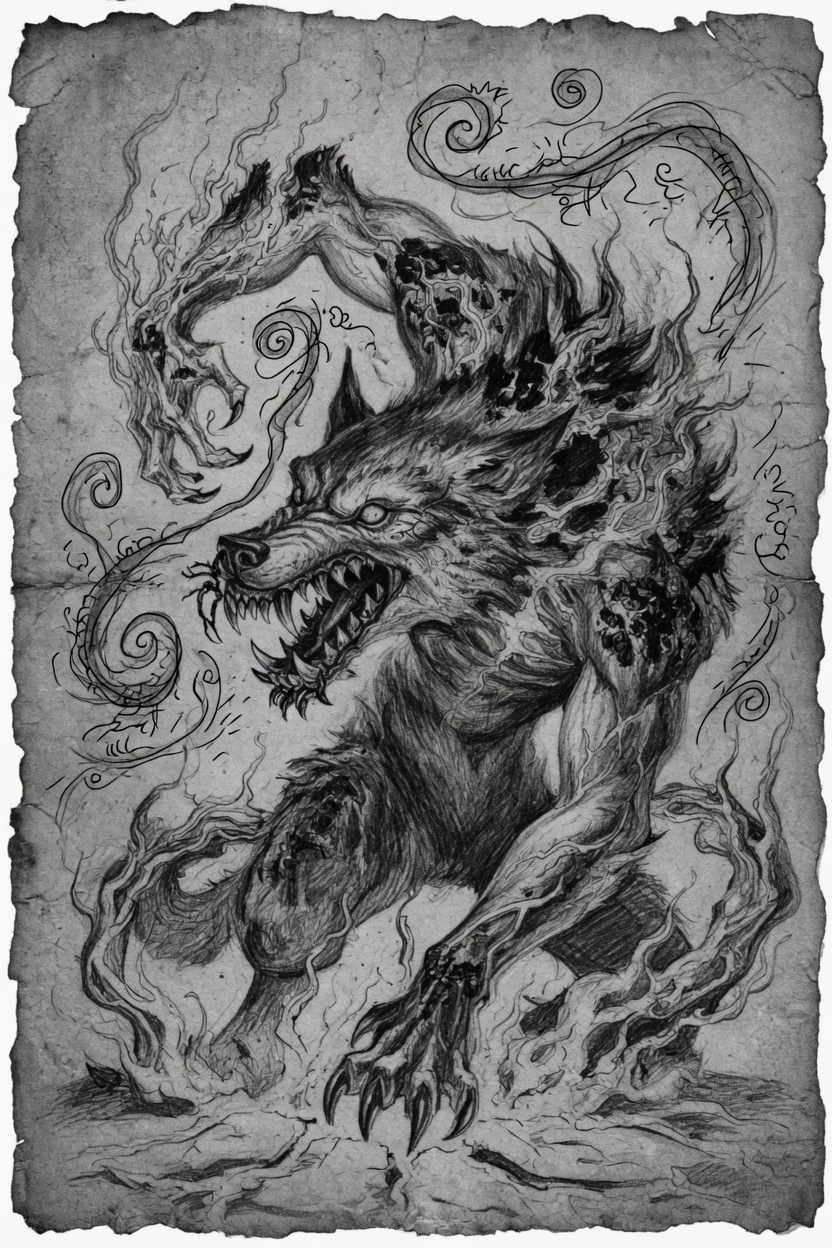
It was a wolf, or a man, before the red came up through the soil, and it still has those teeth. It is aggressive. It breathes a smaller fire than a true wyrm: extra burning damage, lost breath, and you are on fire for about a minute, unless you resist fire. It also knits itself. Dragon-blood, if you are marked that way, resists fire. Standing in a field where one was seen does not set you alight.
Ashen Wyrm
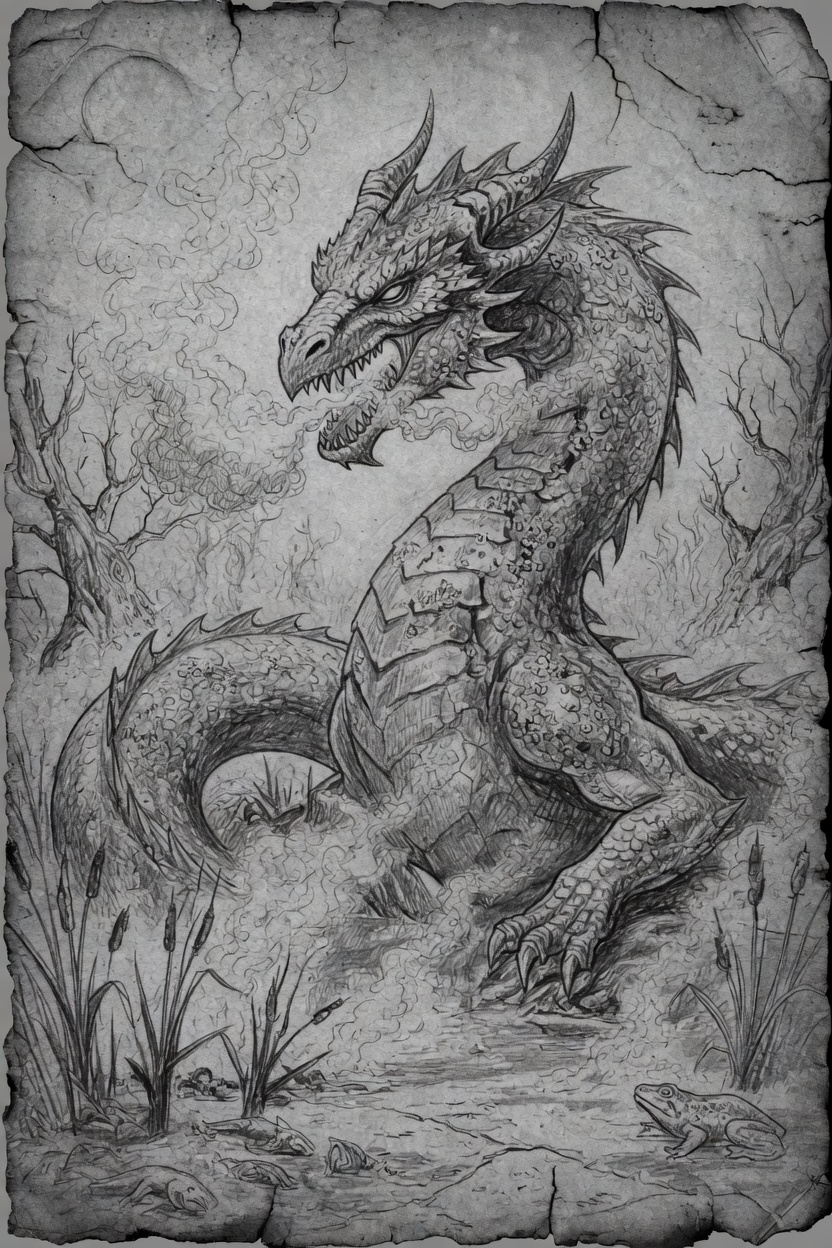
Forty feet of black scale. It is ancient. Fire breath is a large burning wound, lost breath, and flames on you for a minute, reduced if you resist fire. The wind of the wings puts you on the ground and steals a great deal of energy. The tail is a heavy blow and more lost breath. Terror on a blow can take sanity and leave you afraid for two minutes if your will is not enough, unless you are fearless. It can leave the ground and come down on you again. Scale, dragonbone, blood, and a heart are the body, and the body is the work of a war, not of a hunt. Looking at a shape over the Waste does not burn you. The breath does.
Mire Wyrm
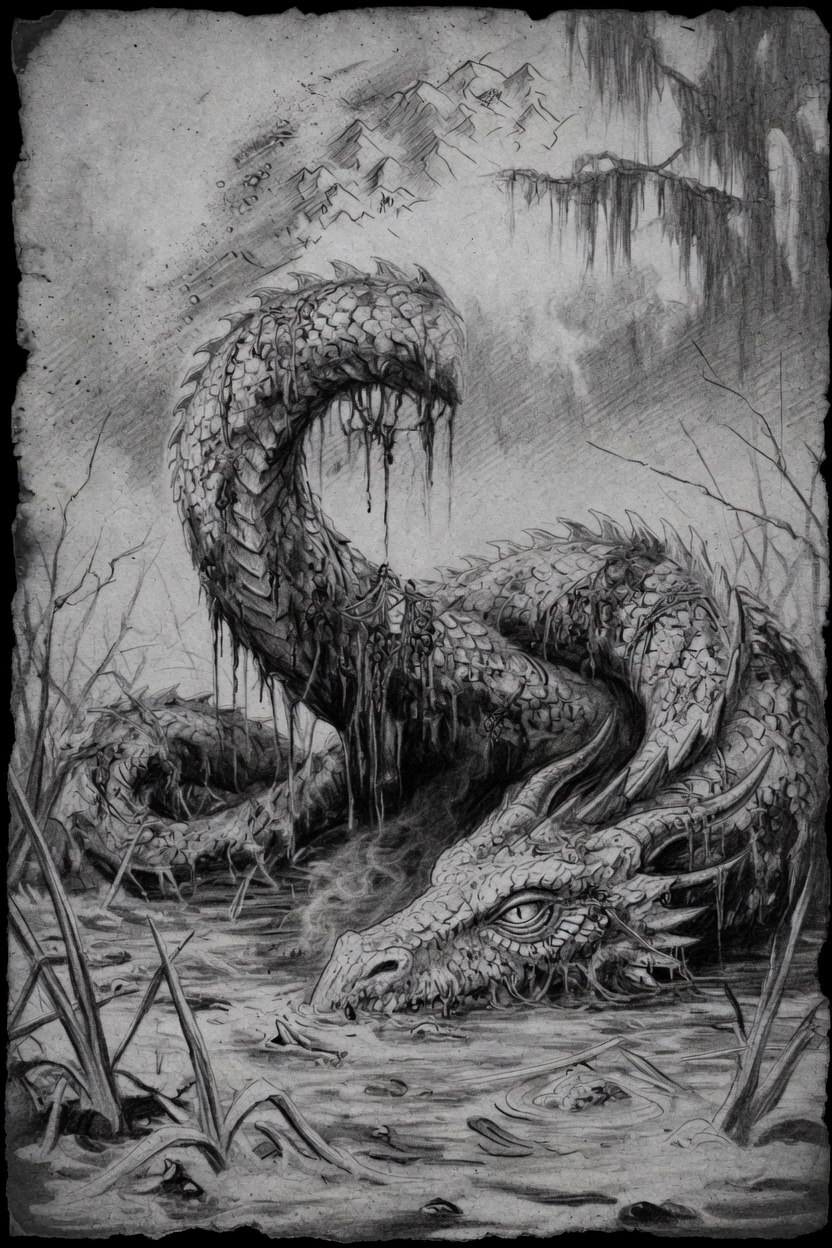
Green-scaled, half drowned, patient as the mud. The same fire, the same tail, the same terror as the ashen wyrm, and also the fen: the ground can give under you so that you are held to the waist, and the bite can be venom for an hour. The mud around its sleeping place is not the venom. The bite in the fight is.
Bone Wyrm
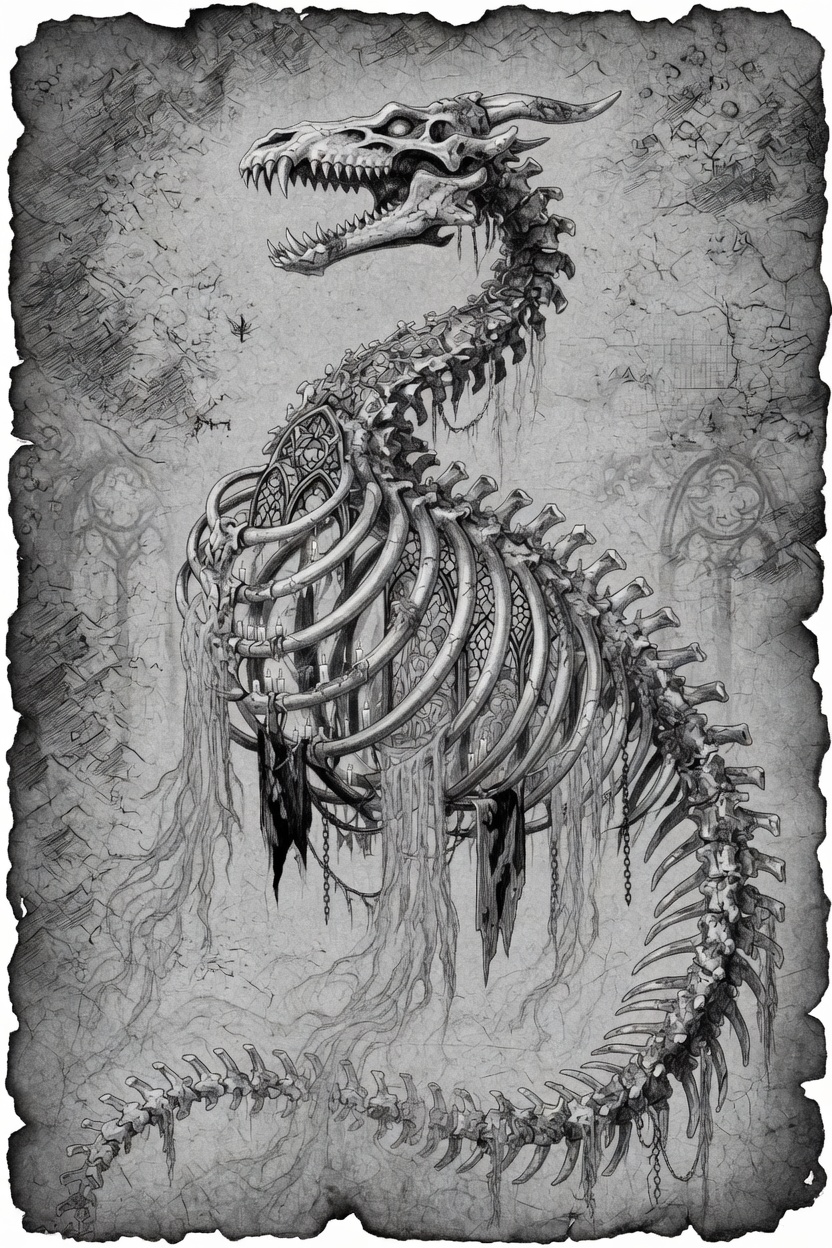
It died in the eleventh year and did not accept it. It does not breathe fire. It breathes grave-air, a heavy wound and corruption, and fire resistance does nothing against it. It can raise grave wights. A storm of bone shards comes from every side, and a shield does not help. Its terror is not stopped by ordinary courage, because it has the mind of the dead. Sanity goes when that terror lands on a blow, not when you see the ribs against the sky.
Vaelgrath, the First Wyrm
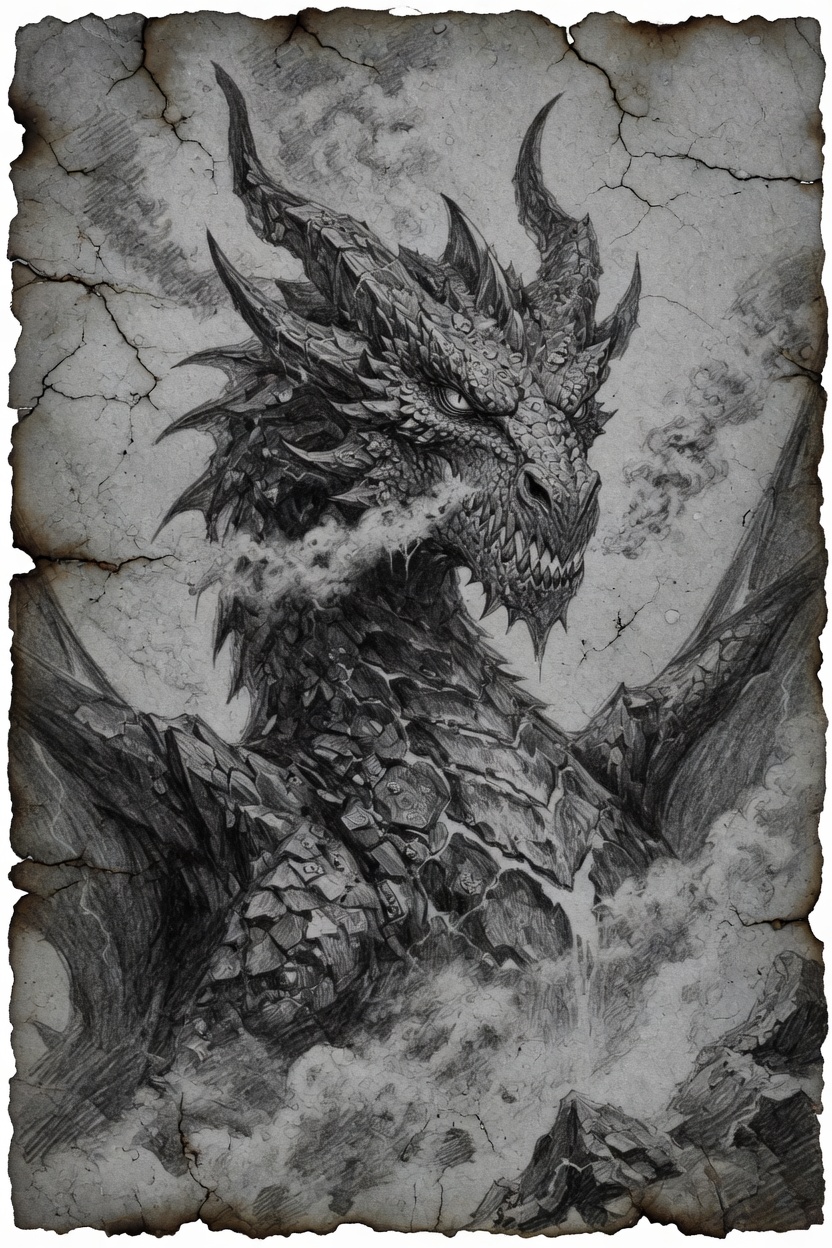
The mountain is not a mountain. This is the one the caldera keeps, and there is only one. Fire, wings, tail, terror, the dive from the dark, an ash storm, and a word older than people: that word takes energy and sanity, and it can leave you afraid unless you are fearless. It knits its own wounds as the fight continues. Nothing in this book happens because you stood on the rim and looked. It happens when Vaelgrath is hitting you. People go to speak with it, or to kill it, and both of those are choices made in the caldera, not a sickness caught from the weather.
What a body can be cut into, meat and hide and scale and page, is also listed with the objects in the item manual. The journal that sends you after a named creature is in your quests, and it names the creature the same way this page does.